5-Day Blackout: Real Lessons from Losing Power for a Week
Build your personal emergency plan
Free, no sign-up, takes 5 minutes.
February 2021. The ice storm hit central Texas on a Monday night. By Tuesday morning, we had no power, no heat, and no running water. The forecast said 24-48 hours. It lasted five days.
We thought we were prepared. We had torches, some canned food, and a case of bottled water. What we actually were was prepared for a 6-hour outage, not a 120-hour one. The difference between those two things became painfully clear by Wednesday morning.
This is what happened, what we got wrong, what saved us, and what we changed permanently afterward. No exaggeration, no doomsday framing. Just what we learned from five days without electricity in February.
Day 1: The False Calm
The power went out at 11 PM. Honestly, we did not worry much. Outages from ice storms are normal. We grabbed the torches, checked our phones, and went to bed expecting power by morning.
First mistake: we opened the refrigerator three times before noon to grab things. Each opening dumps cold air and lets warm air in. A closed refrigerator holds safe temperature for 4-6 hours. A freezer full of food can last 24-48 hours — but only if you leave it shut. We did not know that. By the end of day 1, the fridge was at room temperature and the freezer was starting to thaw.
The cell tower near our neighborhood ran on backup batteries for about 6 hours, then dropped. By afternoon, no calls, no texts, no data. The landline (one of those old corded phones we kept in a drawer because we never got around to throwing it away) still worked because it draws power from the phone line. That phone became our lifeline for the next four days.
What saved us on day 1: the old landline phone, and having cash. Not much — £80 in twenties that my wife kept in a kitchen drawer. But when the convenience store two blocks away opened with a generator and cash-only, that £80 bought water and bread.
Day 2: The Real Problems Start
The indoor temperature had dropped to 48 degrees by morning. The heating system runs on electricity even though the fuel is petrol, because the blower and thermostat need power. This surprised us more than anything. We had petrol service but no heat.
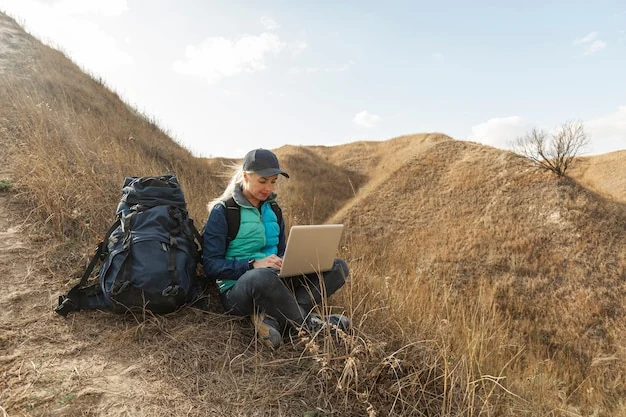
We put on every layer we had. Sleeping bags from camping trips. Blankets from every closet. The four of us moved into the smallest bedroom and closed the door — body heat plus blankets in a small space kept it survivable. Not comfortable, but survivable.
Water pressure dropped to a trickle by noon and then stopped entirely. Our apartment building uses an electric pump to push water to the upper floors. No electricity, no pump, no water. We had 2 gallons of bottled water for four people. That is half a gallon per person. For what turned out to be four more days.
The power bank saved us, honestly. A 20,000 mAh bank I had bought for a camping trip gave us about 4 phone charges spread across 3 days. We kept both phones in airplane mode and only turned data on twice a day to check for utility updates and to text the family out-of-state contact. That discipline stretched the battery life enormously.
What saved us on day 2: the camping sleeping bags, moving into one room, and the power bank in airplane-mode discipline.
Day 3: The Turning Point
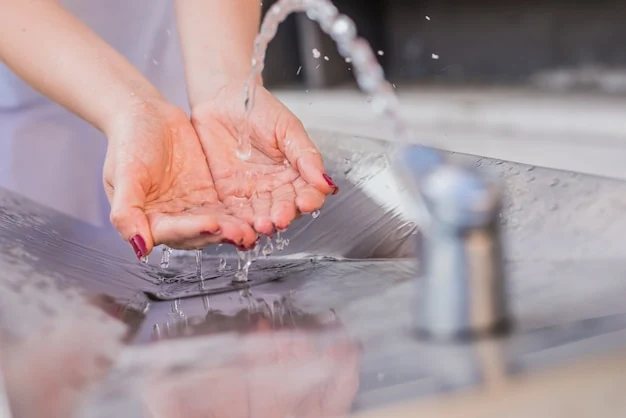
By day 3 we were rationing water. Half a litre per person per day for drinking. Skipping showers entirely. Flushing the toilet only when absolutely necessary (and learning that you can manually flush by pouring a bucket of water directly into the bowl — something nobody taught us until a neighbour mentioned it).
The camping stove became our most valuable possession. A £25 butane stove with two cartridges. We set it up on the apartment balcony (never indoors — carbon monoxide is no joke) and heated water for instant oatmeal, tea, and canned soup. Hot food when the indoor temperature is 45 degrees is not a luxury. It is the difference between functional humans and people who cannot think straight from cold.
We made friends with our neighbours in a way we never had in three years of living there. The couple downstairs had a car with a full petrol tank and drove to a hardware store 20 miles away that had power. They came back with 10 gallons of water, a battery lantern, and news. The guy upstairs had a ham radio and was getting actual information about restoration timelines. We shared food, pooled water, and took turns charging phones in the one car that had enough petrol.
That is the thing nobody talks about in prepper guides: community matters more than gear. The neighbour with the car, the one with the radio, the grandmother across the hall who had been through hurricanes and knew how to ration like a pro — they were our survival system.
What saved us on day 3: the camping stove on the balcony, the neighbour with the car, and community.
Day 4-5: Grinding Through
The novelty was gone. The cold was constant. The water situation was barely managed. We had moved past the stress phase and into a dull, cold grind.
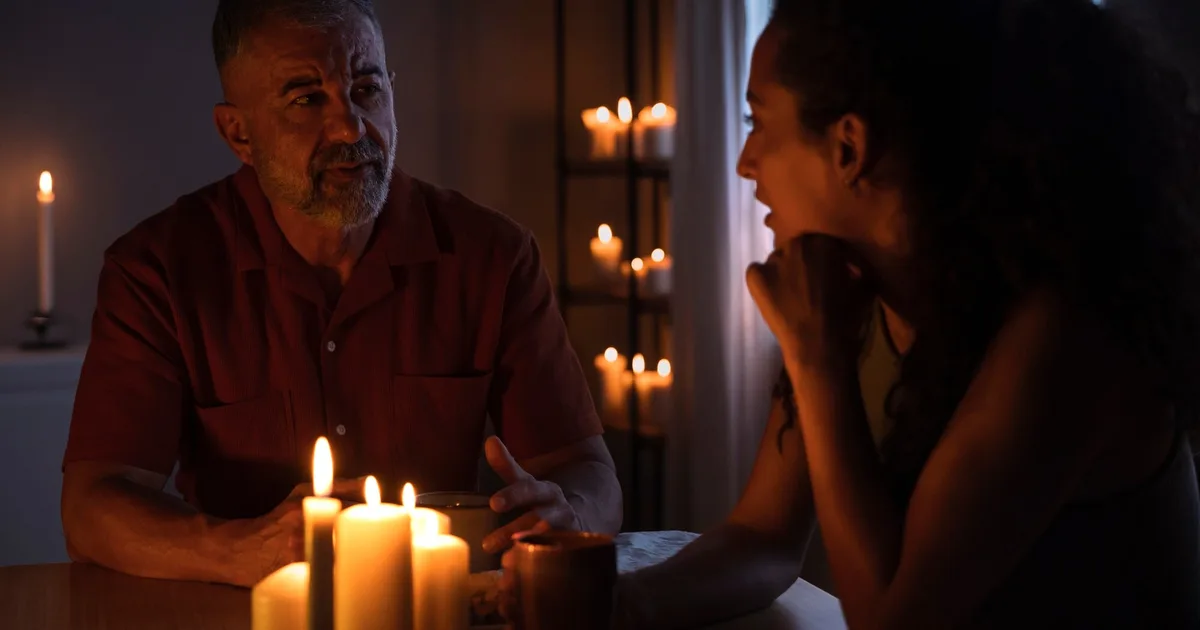
One thing I did not expect: how dark it gets. Not just “lights are off” dark. When there are no streetlights, no ambient glow from the city, no screen light from devices you are conserving — it is genuinely, completely dark by 6 PM in February. The psychological weight of 14 hours of darkness is real. A single candle or lantern does not just provide light. It provides a focal point, a sense of normalcy, a reason to sit together instead of retreating into your own cold corner.
The hand-crank radio became our evening ritual. Crank for a minute, listen for five. Weather updates, restoration estimates, which warming centres were open. AM radio. The format I had not listened to since childhood became the only reliable source of information.
Power came back on day 5 at 3 PM. The relief was physical. Everyone cried a little. Then we ran every tap, checked the pipes for bursts, threw out everything in the fridge and freezer (three rubbish bags of spoiled food), and sat in a heated room in stunned silence.
What We Changed After
We did not go back to normal. Here is what is permanently different:
Water storage: 15 gallons for four people in HDPE containers under the bed and in the closet. Rotated every 6 months. This is the single most important change we made.
The go-bag: A complete 72-hour bag for each adult, packed and stored by the front door. The one from our camping gear was not organised for emergency access. The new ones have the torch and first aid kit in the top pocket, not buried at the bottom.
Power bank protocol: Two 20,000 mAh power banks, recharged to 60-80% every 3 months. Phone discipline is now a family skill: airplane mode, data on twice daily only.
Cash reserve: £200 in fives and tens in an envelope in the kitchen. After the Beast from the East 2018, we learned that three credit cards and zero cash is worth exactly nothing.
Camping stove and fuel: 4 butane cartridges stored in a cool area. We test-cook with it once a year. The £25 stove is the best emergency investment we have ever made. But only on the balcony. Never indoors.
Hand-crank radio: Charged quarterly. AM/FM reception. When everything digital fails, analog radio is the last information channel standing.
A real torch for each person: Not the phone torch. A dedicated LED torch or headlamp stored with lithium batteries (outside the device). When the phone battery is rationed for communication, you need a separate light source.
Neighbor contact list: We know who lives on our floor now. We have each other’s phone numbers. We know who has medical conditions, who has a car, who has tools. That list might be the most valuable piece of emergency preparedness we own.
The Honest Truth About Preparedness
We were not preppers before this. We are not preppers now, in the tactical-gear-bunker sense. We are a normal family that went through something that exposed every gap in our assumptions. The gaps were not exotic. They were basic: not enough water, no way to heat food, no cash, no plan.
Five days without power is not the apocalypse. It is tedious, cold, uncomfortable, and occasionally frightening. But it is survivable with basic preparation. The families on our floor who had none of it — no torch, no water reserve, no cash — had a genuinely awful experience. The ones who had even a minimal setup got through it with manageable stress.
You do not need a £2,000 generator or a basement full of freeze-dried food. You need water, a way to heat food safely, a way to stay warm, a way to charge your phone, a way to get information, and some cash. That is the list. Everything else is optimization.
If this account helps one person fill a couple of water jugs and buy a £25 camping stove this weekend, it was worth writing.
For building the full setup, our power grid failure preparation guide covers the technical side, and our 72-hour emergency kit guide has the complete supply list with real costs.
In real emergencies, always follow the instructions of gov.uk/prepare, the British Red Cross, and official emergency services (call 911). Carbon monoxide from indoor combustion is a leading cause of death during power outages — never use camping stoves, grills, or generators indoors. The information in this article is based on personal experience and is guidance for preventive preparation.
Prices shown are approximate and may vary. EmergencyKitLab is a participant in the Amazon Associates Program: when you buy through our links, we receive a small commission at no additional cost to you.
Prices are indicative and may vary on Amazon.
Looking for products mentioned in this article?
Products reviewed by our team on Amazon, all rated 4+ stars.
UK emergency preparedness editorial team
The EmergencyKitLab UK editorial team produces straightforward preparedness advice for British households facing Atlantic storms, flooding, power cuts, cold snaps and heatwaves. We focus on affordable steps that work in typical UK homes, including flats with limited storage.
Frequently Asked Questions
How long does a refrigerator keep food safe without power?
Can you use a petrol camp stove indoors during a blackout?
How many phone charges does a 20,000 mAh power bank actually give?
What happens to insulin if there is no power for several days?
How much water should I store for a multi-day blackout?
How long do blackouts from storms typically last in the UK?
What happens to the router and landline phone when power goes out?
Related Articles
72-Hour Emergency Kit 2026: Checklist + Budget (Family)
EmergencyKitLab 2026 guide: complete 72-hour kit checklist from £50/person. Winter Storm Uri-tested tips + the #1 water mistake families still make.
15 min readWater Filter vs Purification Tablets: Which Is Better for Your Kit
Portable water filter or purification tablets for your emergency kit? Honest EmergencyKitLab UK comparison with real testing data and our recommendation.
10 min read