72-Hour Emergency Kit 2026: Checklist + Budget (Family)
Build your plan for Blackout
Free, no sign-up, takes 5 minutes.
Winter Storm Uri in February 2021 left 4.5 million Texas homes without power, heat, or running water for days. Grocery stores closed. ATMs stopped working. Cell towers went down. The families who had a 72-hour emergency kit assembled at home got through it with manageable stress. The ones who did not learned the lesson at the worst possible time.
Here is everything you need to build a 72-hour emergency kit for your family. Real calculations for water, food, and energy per person, budgets from £50 to £350, and the practical lessons from real disasters that keep repeating across the United Kingdom. No fluff.
What you will get from this guide:
- What to actually include in a 72-hour kit and what is filler that wastes space
- Concrete water, food, and energy numbers per person, not the generic figures every guide copies
- Mistakes we discovered opening kits stored for months without checking
- What each product actually delivers vs what the manufacturer claims
Reading time: 15 minutes Level: Beginner-friendly
What Is a 72-Hour Emergency Kit and Why Your Family Needs One
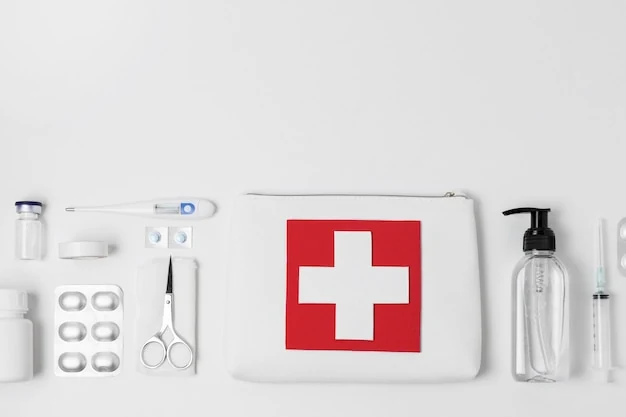
Put simply: it is what lets you get through 3 days on your own without depending on the power grid, tap water, or grocery stores. Water, food, light, a way to find out what is happening outside, and a decent first aid kit. That is it.
Why 72 hours and not 48 or a full week? Because that is the timeframe gov.uk/prepare and emergency services use for restoring basic services after a major emergency. That is the gap you need to cover yourself.
And this is not some fringe idea. gov.uk/prepare has been recommending every household maintain a 72-hour supply kit for years. After Storm Babet, after Sandy, after Harvey, after Uri — every major disaster proves the same point. The families who prepared in advance handled it. The ones who did not were at the mercy of overwhelmed emergency services.
Having an emergency kit is not being paranoid. If you have car insurance and a fire extinguisher in the kitchen, a 72-hour kit is the next logical step. A neighbour bought one of those £30 pre-made kits on Amazon the day after a blackout, and when he opened it, half the items were camping gadgets that are useless in a real emergency in an apartment with kids.
How Much Water You Actually Need
Water is the single most important item in your kit. gov.uk/prepare recommends 1 gallon per person per day for drinking and sanitation. For 72 hours:
- Family of 2: 6 gallons minimum
- Family of 4: 12 gallons minimum
- Hot climate or physical activity: add 50% more
The mistake most people make is storing water in containers that are too large to move if you need to evacuate. Keep some in 1-gallon jugs (portable) and some in 5-7 gallon containers (for sheltering at home).
Also keep a backup purification method: water purification tablets or a portable filter like the LifeStraw. If your stored water runs out, you can purify water from your hot water heater, rain collection, or other sources.
Our water calculator gives you exact amounts for your household.
Food: Calories, Not Just Volume
You need approximately 2,000 calories per adult per day. For a family of 4 over 3 days, that is roughly 24,000 calories. Focus on:
- Emergency ration bars (Datrex, SOS): compact, no prep needed, 5-year shelf life
- Canned goods: beans, tuna, chicken, soups — no cooking required
- Energy bars: CLIF, KIND — grab-and-go calories
- Freeze-dried meals: Mountain House, Augason Farms — just add hot water (if you have a way to heat it)
Do not forget a manual can opener. Seriously. After every disaster, people post about having 20 cans and no way to open them.
Power and Lighting
When the grid goes down, you lose more than lights. You lose your phone (communication), your fridge (food safety), and your heating/cooling (comfort and safety).
Minimum kit:
- LED torch with spare batteries (1 per person)
- Power bank 20,000+ mAh (charges a phone 4-5 times)
- Hand-crank emergency radio with Met Office weather alerts
Standard kit adds:
- LED headlamp (hands-free)
- Portable power station 300Wh+ (for medical devices, mini-fridge)
- Portable solar panel (for multi-day outages)
First Aid
A complete first aid kit does not need to be expensive. At minimum:
- Adhesive bandages (assorted sizes)
- Sterile gauze pads and medical tape
- Antiseptic wipes
- Ibuprofen and acetaminophen
- Any prescription medications (30-day supply)
- Nitrile gloves
Documents and Cash
- Copies of IDs, insurance policies, and medical records in a waterproof bag
- £200+ in small bills (£1s, £5s, £10s) — ATMs and card readers fail first
- List of emergency contacts on paper (your phone might die)
Budget Breakdown
| Tier | Per Person | What You Get |
|---|---|---|
| Basic | £50 | Water, canned food, torch, basic first aid |
| Standard | £150 | + power bank, radio, better food, comprehensive first aid |
| Premium | £350 | + power station, water filter, freeze-dried meals, full medical kit |
Start with Basic and upgrade over time. Having a £50 kit today is infinitely better than planning a £350 kit “someday.”
The EmergencyKitLab Approach
We built EmergencyKitLab to take the guesswork out of this process. Our emergency planner asks a few questions about your family, location, and scenario, then generates a personalized plan with exact quantities and a shopping list. Free, no sign-up, 5 minutes.
Every product we recommend has been verified on Amazon with at least 4 stars and hundreds of reviews. We offer three budget tiers so you can prepare regardless of your situation.
Start Today, Not Tomorrow
The best time to build an emergency kit was before the last disaster. The second-best time is now. Start with water and a torch. Add food next week. Build your first aid kit the week after. In a month, you will have a complete kit that costs less than a nice dinner out and could keep your family safe when it matters most.
Sources: gov.uk/prepare (Ready.gov), British British Red Cross, UKHSA, World Health Organization (WHO)
Prices are indicative and may vary on Amazon.
Mentioned Gear
Hand-picked by our team.
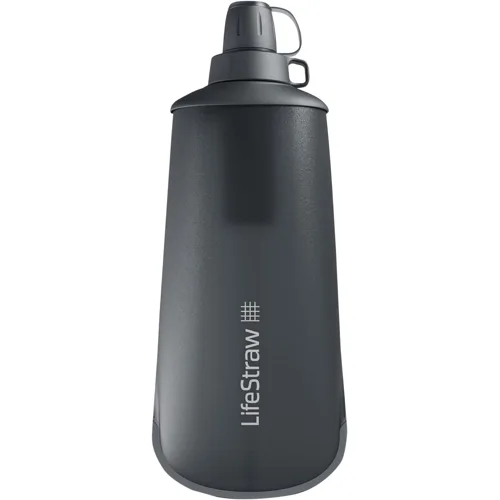
LifeStraw Peak Series Collapsible Squeeze Bottle 1L
Affiliate link. See our Transparency policy.
The links above are affiliate links. Transparency policy.
Looking for products mentioned in this article?
Products reviewed by our team on Amazon, all rated 4+ stars.
Build your plan for Blackout
Exact quantities, verified products, and a personalized shopping list for Blackout. Free in 5 minutes.
Plan for BlackoutUK emergency preparedness editorial team
The EmergencyKitLab UK editorial team produces straightforward preparedness advice for British households facing Atlantic storms, flooding, power cuts, cold snaps and heatwaves. We focus on affordable steps that work in typical UK homes, including flats with limited storage.
Frequently Asked Questions
How much water does a family of 4 need for 72 hours?
How much does a 72-hour emergency kit cost?
How often should I check my emergency kit?
What is the difference between a 72-hour kit and an evacuation bag?
Are pre-made emergency kits from Amazon any good?
Related Articles
Best 72-Hour Survival Backpack 2026: £40 Beats £150
EmergencyKitLab UK 2026 test: 5 survival backpacks compared. The £40 pick outlasts £150 models, holds 12 kg — and the one you should skip.
12 min readEmergency Preparedness: The Ultimate Guide for UK Families
Complete emergency preparedness guide for British households. gov.uk/prepare-based checklists, real budgets, and the mistakes most people make.
18 min readWater Filter vs Purification Tablets: Which Is Better for Your Kit
Portable water filter or purification tablets for your emergency kit? Honest EmergencyKitLab UK comparison with real testing data and our recommendation.
10 min read