How to Build a Complete Emergency First Aid Kit (2026 Guide)
Build your personal emergency plan
Free, no sign-up, takes 5 minutes.
In an emergency, professional medical help can be hours or days away. A cut while opening a can, a fall in the dark during a blackout, an allergic reaction when the pharmacy is closed — any of these can become serious without a prepared first aid kit.
The British British Red Cross recommends every household keep a complete first aid kit and that at least one family member know basic first aid. Here is how to build one that actually works.
The Essentials (Every Kit Needs These)
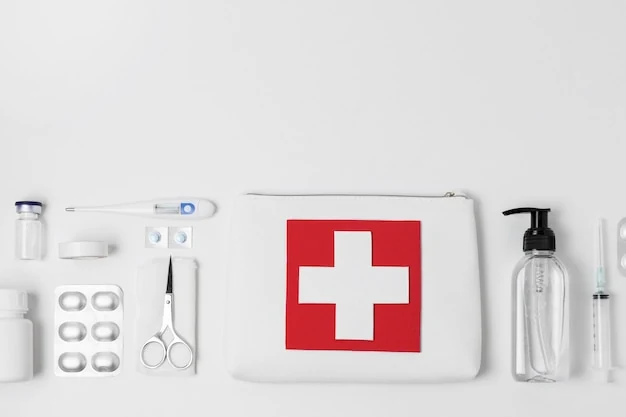
Wound care:
- Adhesive bandages, assorted sizes (30+)
- Sterile gauze pads, 2x2 and 4x4 (10 each)
- Elastic bandages, 3-inch (2 rolls)
- Medical tape (2 rolls)
- Butterfly closure strips
Antiseptics:
- Alcohol prep pads (20+)
- Antiseptic wipes (20+)
- Antibiotic ointment (Neosporin or equivalent)
- Hand sanitizer (travel size)
Instruments:
- Trauma shears (cuts through clothing)
- Tweezers (splinter and tick removal)
- Digital thermometer
- Nitrile gloves (10+ pairs)
Medications
Over-the-counter:
- Ibuprofen (pain, inflammation, fever)
- Acetaminophen (pain, fever — safe for those who cannot take ibuprofen)
- Diphenhydramine/Benadryl (allergic reactions)
- Loperamide/Imodium (diarrhea)
- Oral rehydration salts (dehydration)
- Burn cream
Prescription:
- 30-day supply of all household prescriptions
- Paper copies of prescriptions
- List of allergies and conditions for each family member
Scenario-Specific Additions
Hurricane/flood: Waterproof container, extra antiseptic (contaminated water contact), anti-fungal cream.
Wildfire: N95 masks (10+), eye wash, extra burn supplies.
Earthquake: SAM splints, extra gauze for crush injuries, dust masks.
Winter storm: Hand warmers, Mylar emergency blankets, hypothermia treatment knowledge.
Our Recommendation
Start with a pre-made kit like the Johnson & Johnson 140-piece (£15) or Adventure Medical Kits Ultralight (£30) and build from there. The pre-made kit handles the basics. You add prescription meds, extra gloves, and scenario-specific items.
Build your complete emergency plan with our planner — it includes first aid as part of your personalized checklist.
Sources: British British Red Cross First Aid Guidelines, gov.uk/prepare Emergency Supply List, UKHSA Emergency Preparedness
Prices are indicative and may vary on Amazon.
Looking for products mentioned in this article?
Products reviewed by our team on Amazon, all rated 4+ stars.
UK emergency preparedness editorial team
The EmergencyKitLab UK editorial team produces straightforward preparedness advice for British households facing Atlantic storms, flooding, power cuts, cold snaps and heatwaves. We focus on affordable steps that work in typical UK homes, including flats with limited storage.
Frequently Asked Questions
What should a basic emergency first aid kit contain?
Pre-made kit or build your own?
How often should I update my first aid kit?
Related Articles
72-Hour Emergency Kit 2026: Checklist + Budget (Family)
EmergencyKitLab 2026 guide: complete 72-hour kit checklist from £50/person. Winter Storm Uri-tested tips + the #1 water mistake families still make.
15 min readEmergency Preparedness: The Ultimate Guide for UK Families
Complete emergency preparedness guide for British households. gov.uk/prepare-based checklists, real budgets, and the mistakes most people make.
18 min readEvacuation Bag: Step-by-Step Build Guide 2026
Build your evacuation bag in 6 clear steps with EmergencyKitLab UK: which backpack, what to pack, how to organise it, and the test that proves it works.
8 min read