Emergency Preparedness: The Ultimate Guide for UK Families
Build your personal emergency plan
Free, no sign-up, takes 5 minutes.
Emergency preparedness is not about bunkers and canned beans in the basement. It is about having a plan and basic supplies so your family can handle the first 72 hours of any disruption without panic.
Every year, millions of UK households face storms, flooding, heatwaves and power cuts, and power outages. The families who are prepared get through these events with manageable stress. The ones who are not end up in long lines at the last open store, fighting over bottled water.
This guide covers everything you need to know to get your family prepared, based on gov.uk/prepare guidelines, British Red Cross recommendations, and real lessons from recent disasters.
The 5 Pillars of Emergency Preparedness
1. Water
The single most critical supply. gov.uk/prepare recommends 1 gallon per person per day for at least 3 days. Store both large containers for home and portable bottles for evacuation, and see our emergency water storage guide for how to keep that reserve safe and rotated.
2. Food
Stock 2,000 calories per person per day in non-perishable items. Canned goods, energy bars, and freeze-dried meals form a solid foundation; our emergency food supply guide breaks down how much to hold and how to rotate it.
3. Power and Communication
A torch, spare batteries, power bank, and Met Office weather radio. These four items keep you informed and connected when the grid goes down.
4. First Aid
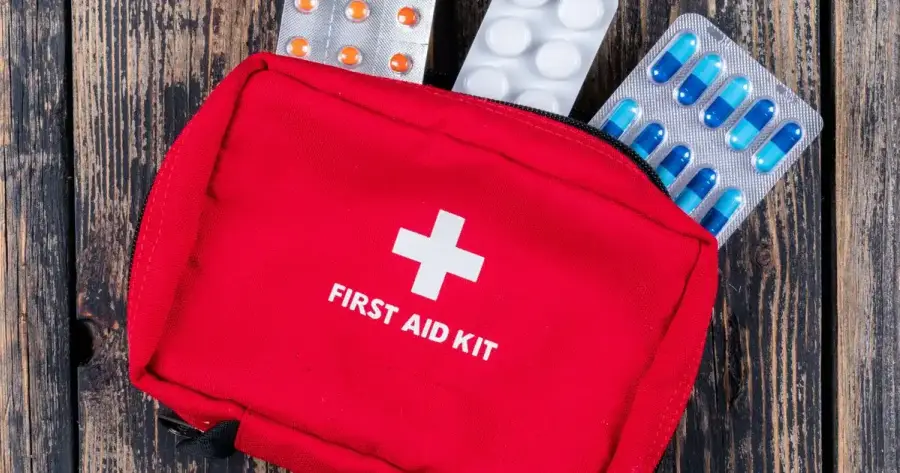
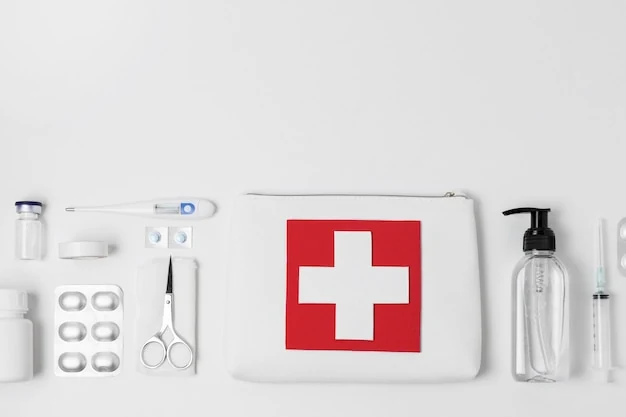
A well-stocked first aid kit plus a 30-day supply of any prescription medications.
5. Documents and Cash
Copies of important documents in a waterproof bag and at least £200 in small bills.
Building Your Family Emergency Plan
A plan is more than supplies. Sit down with your family and cover:
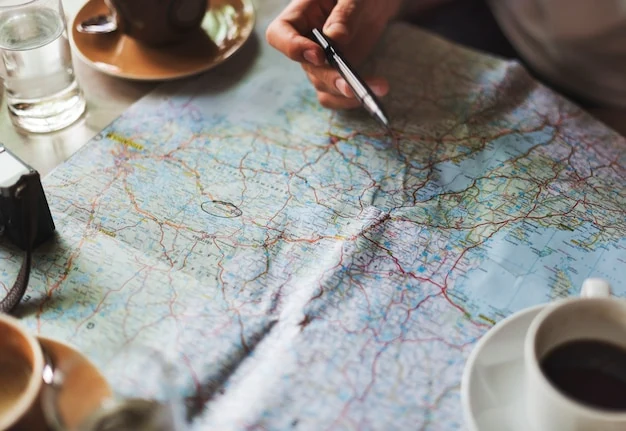
- Meeting points: Where do you go if you cannot get home? Pick two: one near your home, one outside your neighborhood.
- Out-of-area contact: A friend or relative who lives far away that everyone can check in with.
- Evacuation routes: Know at least two ways out of your neighborhood.
- Shelter-in-place plan: Which room is safest for each scenario?
gov.uk/prepare has a free family communication plan template you can print and fill out.
Scenario-Specific Additions
The core kit works for everything. Add these extras for your region:
Hurricane zone: Extra water (7 days), plywood or shutters, waterproof document bag, battery-powered radio.
Tornado zone: Met Office weather radio (this is non-negotiable), helmet or bicycle helmet for debris protection, basement shelter supplies.
Wildfire zone: N95 masks, go-bag always packed, evacuation routes memorized, important documents pre-loaded in the car.
Winter storm zone: Extra warm layers, sleeping bags rated to 0 degrees F, backup heat source, pipe insulation.
Earthquake zone: Shoes by the bed (broken glass), furniture straps, wrench to shut off petrol, 7 days of water.
The EmergencyKitLab Planner
We built the EmergencyKitLab planner to remove the guesswork. Answer 5 questions about your family, location, and scenario. Get back a personalized plan with exact quantities, budget tiers, and a shopping list. Free, no sign-up, 5 minutes.
Start Simple, Start Now
You do not need to spend £500 and a weekend. Start with a case of water and a torch this week. Add food next week. Build your first aid kit the week after. In a month you will be more prepared than 90% of British households.
Being prepared is not about fear. It is about responsibility. The same kind of responsibility that makes you wear a seatbelt and lock your doors at night.
Sources: gov.uk/prepare (Ready.gov), British British Red Cross, UKHSA, Met Office
Prices are indicative and may vary on Amazon.
Looking for products mentioned in this article?
Products reviewed by our team on Amazon, all rated 4+ stars.
UK emergency preparedness editorial team
The EmergencyKitLab UK editorial team produces straightforward preparedness advice for British households facing Atlantic storms, flooding, power cuts, cold snaps and heatwaves. We focus on affordable steps that work in typical UK homes, including flats with limited storage.
Frequently Asked Questions
Where do I start with emergency preparedness?
How much should I budget for emergency preparedness?
Do I need different kits for different emergencies?
Related Articles
72-Hour Emergency Kit 2026: Checklist + Budget (Family)
EmergencyKitLab 2026 guide: complete 72-hour kit checklist from £50/person. Winter Storm Uri-tested tips + the #1 water mistake families still make.
15 min readHow to Build a Complete Emergency First Aid Kit (2026 Guide)
Step-by-step guide to building an emergency first aid kit based on British Red Cross standards. Supplies list, medications, and scenario-specific additions.
10 min readEvacuation Bag: Step-by-Step Build Guide 2026
Build your evacuation bag in 6 clear steps with EmergencyKitLab UK: which backpack, what to pack, how to organise it, and the test that proves it works.
8 min read