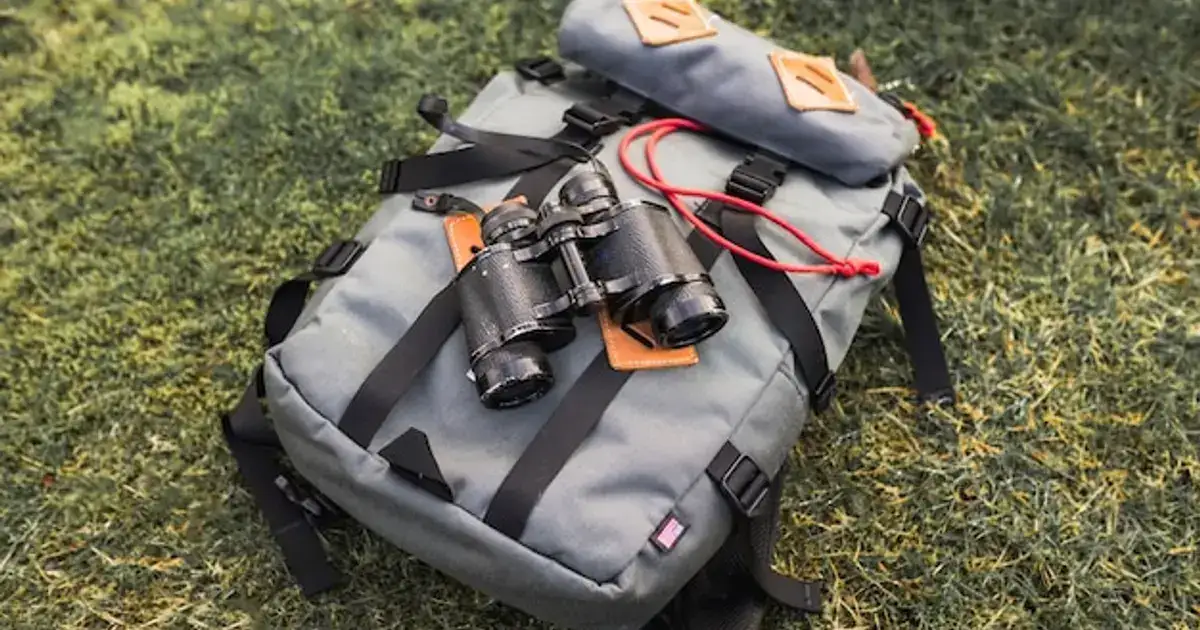
Best 72-Hour Survival Backpack 2026: £40 Beats £150
Build your personal emergency plan
Free, no sign-up, takes 5 minutes.
When Storm Arwen left tens of thousands of homes across northern England and Scotland without power in November 2021 — some for over a week — a lot of people found themselves asking the same thing: what’s the best 72-hour survival backpack for getting out the door with everything on your back? Fair question. If you’ve got 72 hours of self-sufficiency ahead of you and need to evacuate, the pack you choose determines how much you carry, how much you weigh, and how fast you move. And that’s not a minor detail when the lift is out, the kids are in front of you, and you’re going down six flights in the dark with adrenaline pumping and water rising in the stairwell.
But here’s the thing: the best 72-hour survival backpack isn’t the one with the most pockets. Or the one that looks like it walked out of a war film. It’s the one that fits your body, holds what you actually need, and takes a battering without falling apart. That’s it.
I reviewed the best-selling tactical and survival backpacks on Amazon.co.uk across 2025 and 2026, cross-referenced real user opinions from UK prepper and bushcraft forums, and checked manufacturer specs. I also made the classic mistake of buying a tactical pack purely because it looked good in the photo — but I’ll come back to that.
What You Need in a 72-Hour Backpack (and What You Don’t)
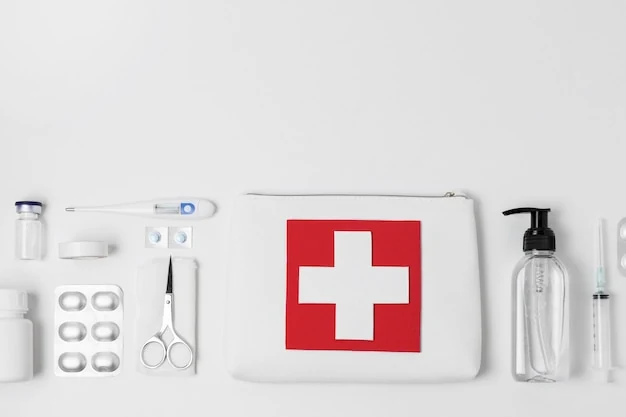
Before comparing models, let’s be clear about what’s going inside. A 72-hour backpack for one person needs to carry between 8 and 12 kg of gear. Sounds like a lot? Do the sums: water — at least 3 litres, which is already 3 kg in water alone — food for three days, warm clothing, a first aid kit, torch, radio, documents, and basic tools. It adds up fast.
The capacity range that works is between 35 and 45 litres. Under 35 and the essentials — water, food, basic tools, first aid kit — won’t fit without compressing everything like you’re packing for a budget airline. Over 50 and the same thing always happens: you fill it with stuff you don’t need because the space is there and it feels wasteful not to use it, you end up with 15 to 18 kg on your back, and your evacuation speed tanks. I’ve seen it.
The operational rule firefighters and mountain rescue teams use — consistent with gov.uk Prepare guidance on emergency kits — is not to carry more than 15 to 20% of your body weight if you’ll be walking for over 30 minutes. For someone at 70 kg, that’s 10.5 to 14 kg including the pack. Sounds generous until you put the water, food and a couple of changes of clothes on the scales. That changes your perspective quickly.
If you want to see what to pack inside and how to organise it, our 72-hour survival bag checklist breaks it down piece by piece.
The Criteria That Actually Matter
What did I judge each backpack on? The design? The colour? The Amazon photos with models who look like they’ve stepped out of a video game? No. What determines whether it’ll work when you need it or fall short at the worst possible moment:
Real capacity, not marketing capacity. Some packs advertise 40 litres and when you open them up, half of it is narrow pockets where nothing useful fits. Watch out for that.
The load system. Hip belt, ventilated back panel, padded shoulder straps. This is key. Carrying 10 kg for an hour without a proper load system is like walking with two water containers slung from your neck. After 20 minutes you start dropping things along the way.
Fabric durability, because a pack that rips in heavy rain or against a wall is useless in an evacuation. The minimum: 600D nylon. Ideal: 500D Cordura or better. Honestly, at this point I won’t buy anything that isn’t Cordura for emergency gear, but I understand not everyone wants to spend what that costs.
Internal organisation — getting at the first aid kit or torch in 10 seconds, without emptying half the pack. Seems secondary. It isn’t. Try finding a torch at the bottom of a 40-litre pack at 3am with your hands shaking.
And price and availability on Amazon. Because a brilliant product you can’t buy easily, or one that costs double what it should, doesn’t solve anything.
Comparison: The 5 Best 72-Hour Survival Backpacks in 2026
5.11 Tactical Rush 72 2.0 (55L)
Approximate price: £170-220
This is the one that turns up in every UK prepper forum. All of them. And when you open it, you understand why: 55 litres, 1050D nylon from 5.11 Tactical that feels bombproof, a padded hip belt that actually works, ventilated back, and a hydration bladder compartment.
The build quality shows the moment you handle it. YKK zips that glide smooth even fully loaded, pockets that make sense — a side pocket for a bottle you can reach without taking the pack off, a hidden pocket for documents, an organiser in the lid. The load system makes 12 kg feel like 8. MOLLE on the sides and back for adding modules. Note that it’s the only pack in this comparison with all of that together.
The catch? The price, obviously. It can run over £170 depending on the colour. It weighs 2.1 kg empty, which is already a fair amount. If you want to keep the total under 10 kg, you’ve spent over 20% of your weight budget on the pack alone. And 55 litres… look, 55 litres is a trap. The natural instinct is to fill it. “Well, it fits, so I’ll throw it in.” And suddenly you’re at 16 kg.
For someone after something that lasts years, families where one person carries shared gear, or evacuations that might stretch beyond 72 hours. But let me be crystal clear: don’t buy it if you’re the type who fills every available space.
Osprey Atmos AG 50 (50L)
Approximate price: £180-230
Osprey is the gold standard in hiking backpacks, and the Atmos AG 50 brings that same engineering to the prep world. The Anti-Gravity suspension spreads weight across your whole torso, not just your shoulders. At 50 litres it’s a touch smaller than the Rush 72, but the usable space is better organised.
The ventilated back panel keeps you cooler than any tactical pack will. The integrated rain cover is a feature most tactical packs lack entirely — and in a British downpour, that matters. The hip-belt pockets are actually big enough to hold a phone or a snack bar: small details that count for more than they seem during a real evacuation.
What doesn’t quite work: no MOLLE webbing for attaching external gear. The fabric (100D nylon with a reinforced 420D base) is lighter but less abrasion-resistant than Cordura. And at this price it competes directly with the 5.11 Rush 72, which offers more raw durability.
Best for: someone who’ll also use it for hiking and wants superior comfort on long walks. If your evacuation route is more than a couple of miles, this is the pack to consider.
SOG Ninja Daypack (24.2L)
Approximate price: £45-65
The compact option. 24 litres. 600D polyester. Under 900 g. SOG has a solid reputation in the tactical gear space and the Ninja is easy to find on Amazon.co.uk.
The 600D polyester is a step above ultra-budget packs. The compartments make good use of the 24 litres. And that low weight makes it ideal for smaller people or as a secondary pack within a family plan.
But 24 litres. Meaning, 24 litres isn’t enough for a complete 72-hour kit. It fits the essentials: water filter or tablets, compact rations, small first aid kit, torch, documents. Warm clothes? A sleeping layer? A decent change of clothes? No. The shoulder straps are comfortable, yes, but there’s no hip belt.
It makes sense as a get-home bag — the pack you keep in the car to get home if something happens — as an ultralight evacuation kit, or as a pack for a teenager within a family plan. For a complete 72-hour kit, no.
Mardingtop 35L/40L
Approximate price: £35-50
The budget option with a different approach. Versions in 35 and 40 litres, 600D polyester with an internal water-resistant coating, and organisation that includes a tablet compartment, hydration sleeve and several organiser pockets.
The 35-litre version has a price-to-organisation ratio that’s hard to beat under £50. Side mesh pockets for bottles, a front organiser for torch and knife, side compression straps to adjust volume when it isn’t full — and to stop the contents shifting and throwing off your balance while walking, which matters more than it seems. Amazon reviews are mostly positive for moderate loads.
Like budget packs generally, the load system is basic. A thin hip strap with no real padding. Above 9 to 10 kg the shoulders take too much. The zips aren’t YKK, and that’s the first failure point in packs at this price. They work fine at first, but give it four or five months of regular use and you’ll see.
A good option for one person or a young couple building their first evacuation kit without breaking the bank. Basically, if your total budget for backpack plus contents is £80 to £120, this leaves you room for the gear inside.
5.11 Rush 12 2.0 (24L)
Approximate price: £90-120
The compact tactical option from 5.11. The same build quality as the Rush 72 — 1050D nylon, YKK zips — but in a 24-litre package. At 1.2 kg empty, it’s a serious piece of kit that punches well above budget alternatives of the same size.
Where it shines is build quality in a smaller form. The organisation is smart, with a concealed pocket that works perfectly for documents and cash. MOLLE webbing lets you expand if needed.
The limitation is the same as any 24-litre pack: not enough room for a full 72-hour kit. But as a get-home bag or a secondary pack for a teenager in the family, the quality of the materials is well above its price.
Quick Summary: Emergency Backpack Comparison
- 5.11 Rush 72 2.0 — 55L, 2.1 kg empty, 1050D nylon, padded hip belt, £170-220
- Osprey Atmos AG 50 — 50L, 1.9 kg empty, 100D/420D nylon, AG suspension, £180-230
- SOG Ninja Daypack — 24L, 850 g empty, 600D polyester, no hip belt, £45-65
- Mardingtop 35L — 35L, 1.2 kg empty, 600D polyester, thin hip strap, £35-50
- 5.11 Rush 12 2.0 — 24L, 1.2 kg empty, 1050D nylon, no hip belt, £90-120
Which One to Buy Based on Your Situation
Getting to the point.
First kit and under £50 for the pack? Mardingtop 35L. Better organisation than the SOG Ninja for a similar price. The hip strap is thin, but it helps a bit.
Serious long-term kit, between £90 and £230? Osprey Atmos AG 50 if you prioritise comfort and might also use it for hiking. 5.11 Rush 72 2.0 if you prioritise raw durability and maximum capacity. The Osprey carries like a dream, but the 5.11 is tougher fabric. Your call.
Quick evacuation or a pack for a teenager? 5.11 Rush 12 2.0 or SOG Ninja. Not for a complete 72-hour kit, but as a get-home bag or secondary pack within a family plan, the quality gap between the £90 Rush 12 and the £45 SOG is worth it if your budget allows.
Not sure whether you need an evacuation backpack or a stationary home kit? Start with our 72-hour emergency kit guide for families, or browse our range of go-bags and emergency kits to see complete options at a glance. EmergencyKitLab UK lays out the difference there in plain terms.
Mistakes That Keep Repeating
After weeks of reviewing Amazon opinions and prepper forums, the same failures appear over and over. Always the same ones.
Buying by litres, not by load system. “I want the 50-litre one.” OK, and then what? A 50-litre pack with thin straps will destroy your shoulders with 10 kg in it. A 35-litre one with a good hip belt spreads that weight between hips and back. Litres matter a good deal less than people think.
Filling all available space. It’s human nature and there’s no cure. If the pack holds 55 litres, you’ll pack things until you’ve filled 55 litres. By the time you realise you’re carrying 16 kg, it’s too late to start emptying during a real evacuation. Buy the pack in the right size. Not the biggest one you can afford.
Not testing it loaded. This surprises me every time I read it. People buy the pack, fill it, close it, stick it in the cupboard. Without having worn it for even 10 minutes. Put 10 kg in it — books, water bottles, whatever you’ve got to hand — and walk for 30 minutes. Do your shoulders or lower back ache after 15? That pack isn’t for you. And do it in the clothes and shoes you’d actually evacuate in, not in trainers on the sofa.
Ignoring water resistance. It starts hammering down during an evacuation — and this is Britain, so it will — and your 600D polyester pack without a coating soaks up water like a sponge and adds a couple of kilos of dead weight. Cordura holds up better, but none are 100% waterproof. A £5 to £10 rain cover and dry bags for documents and electronics. Those aren’t optional. They’re the first things you pack.
What Doesn’t Appear on the Product Listing
No manufacturer puts this in the spec sheet. And yet it’s what determines whether the pack works for you when you walk out the door with it.
Noise. Look, I didn’t expect this one. Cheap plastic buckles and loose zips that click-click with every step. In most evacuations it doesn’t matter. But if you need to move at night or with a bit of discretion, it matters a lot.
The new smell. Budget polyester packs reek of chemicals when you pull them out of the wrapping — that sharp factory smell that lingers on your hands. Air them out for several days before you store food inside. I’ve read reviews from people who put emergency rations straight in and the flavour absorbed some of that smell for months. Not dangerous, but not appetising either when you’re eating an energy bar that tastes like new backpack after six hours of evacuation on an empty stomach.
Storage degradation. A pack stored two years in a garage or shed — picture that space across a hot summer and a damp winter. Zips seize up, nylon straps go stiff, Velcro loses grip. Every six months: open all the zips, adjust the straps, check the seams. Like an oil change on the car. Nobody does it with enthusiasm, but you regret skipping it.
In our 72-hour emergency kit guide for families you can see what to put inside and how to organise it for quick access.
Our Recommendation
If you want a single recommendation, the Osprey Atmos AG 50. Not cheap. Doesn’t pretend to be. But it balances capacity (50L), comfort (AG suspension), a load system with a real hip belt, and long-term quality better than anything else here. You buy it once.
If budget rules, the Mardingtop 35L. Don’t expect it to last a decade, but for building your first kit and starting to practise with it, it does the job. Honestly, a loaded and tested Mardingtop beats an Osprey sitting on your wish list.
Now, one thing, and I say this because I think it’s genuinely important: the backpack is the container. Not the solution. If you’re not clear on what you need to pack inside, use our emergency planner to work out exactly what your family needs. The best 72-hour survival backpack in the world is absolutely useless if you’ve never practised an evacuation with it on. Put the loaded pack on, walk down the stairs of your building, walk for 20 minutes. If you can do it without wanting to throw it on the floor, you’re on track. If not, change something. Because 3am with your family behind you and water rising is not the time to discover the pack’s too heavy or the straps dig into your shoulders. That moment doesn’t give second chances.
Frequently Asked Questions
What’s the best 72-hour survival backpack in 2026?
It depends on your budget and situation. The Osprey Atmos AG 50 (50L, AG suspension, £180-230) offers the best balance of capacity, comfort and load system. For tight budgets, the Mardingtop 35L (£35-50) works as a first kit.
Can I use a hiking backpack as a survival backpack?
Yes, and in many cases it’s the better choice over a tactical one. Hiking packs usually have a better load system, a real hip belt, and are far less conspicuous. A 35 to 45-litre pack from Osprey, Berghaus, Deuter or similar works perfectly as a 72-hour survival backpack.
How much should my complete 72-hour kit weigh?
Between 8 and 12 kg with the backpack included. The operational rule is not to exceed 15 to 20% of your body weight if you’ll be walking for over 30 minutes. For someone at 70 kg, that’s 10.5 to 14 kg max.
Is a pre-made Amazon kit worth buying?
Pre-made kits under £40 usually come with insufficient content: 800 to 1,000 kcal a day and half a litre of water when you need at least 3 litres daily. Building your own kit in a good backpack costs about the same and the quality of each component is far higher.
How often should I check my emergency backpack?
Every six months minimum. Check zips, seams, straps and Velcro. Rotate water and food. Replace alkaline batteries with lithium if they’ve been stored over a year. And reapply waterproofing spray if the pack lives in an unventilated space.
Prices shown are approximate and may vary. Check the current price on Amazon before buying. This content does not replace guidance from local authorities or emergency services (999) during a real emergency.
This article contains affiliate links. If you buy through them, we receive a small commission at no extra cost to you. That’s how we keep EmergencyKitLab UK running.
Prices are indicative and may vary on Amazon.
Mentioned Gear
Hand-picked by our team.
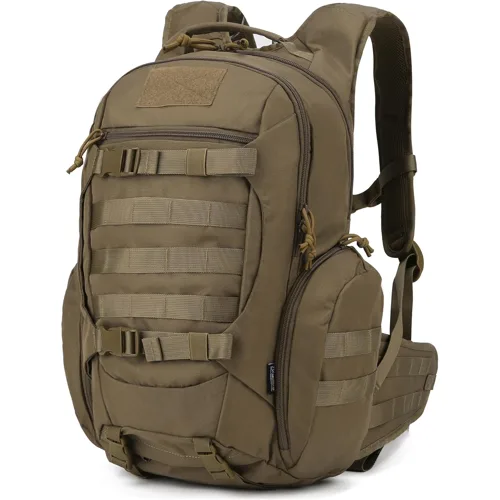
Mardingtop Military Tactical MOLLE Backpack
Affiliate link. See our Transparency policy.
The links above are affiliate links. Transparency policy.
Looking for products mentioned in this article?
Products reviewed by our team on Amazon, all rated 4+ stars.
UK emergency preparedness editorial team
The EmergencyKitLab UK editorial team produces straightforward preparedness advice for British households facing Atlantic storms, flooding, power cuts, cold snaps and heatwaves. We focus on affordable steps that work in typical UK homes, including flats with limited storage.
Frequently Asked Questions
How many litres does a 72-hour survival backpack need?
Is a tactical or hiking backpack better for emergencies?
What's the maximum weight to carry in a 72-hour backpack?
What fabric is most durable for an emergency backpack?
Is an expensive survival backpack worth the money?
Related Articles
72-Hour Emergency Kit 2026: Checklist + Budget (Family)
EmergencyKitLab 2026 guide: complete 72-hour kit checklist from £50/person. Winter Storm Uri-tested tips + the #1 water mistake families still make.
15 min read72-Hour Survival Bag: Complete Checklist Organized by Weight
What to pack in your 72-hour survival bag and how to organise it so you can find everything in the dark. Full checklist with real weights and priority order.
9 min readEmergency Preparedness: The Ultimate Guide for UK Families
Complete emergency preparedness guide for British households. gov.uk/prepare-based checklists, real budgets, and the mistakes most people make.
18 min read