About EmergencyKitLab UK
Practical emergency preparedness tools for families across the United Kingdom. No fear-mongering, no complications.
Why we built EmergencyKitLab UK
When Storm Arwen tore through northern England and Scotland in November 2021, hurricane-force gusts brought down thousands of trees onto overhead power lines and left close to a million homes without electricity — some rural households in County Durham and Northumberland went more than a week without power in sub-zero temperatures. Rewind to the summer floods of 2007 and the same lesson in water: when the River Severn overwhelmed the Mythe treatment works in Gloucestershire, roughly 350,000 people were left without mains tap water for up to 17 days. Different disasters, same gap: thousands of families had no plan, no supplies, and nowhere to turn. These events made one thing clear: emergency preparedness should not be complicated or scary. It should be a practical tool available to every household.
The problem we found
We looked for information on how to put together an emergency kit and found two extremes: dense government documents on one hand, and doomsday prepper content on the other. Something was missing in between — a tool that tells you exactly what you need, how much, and where to buy it, customized for your real situation.
That is how EmergencyKitLab UK was born. A free planner that builds your emergency plan in minutes, based on official sources and with real products you can buy today.
Our experience
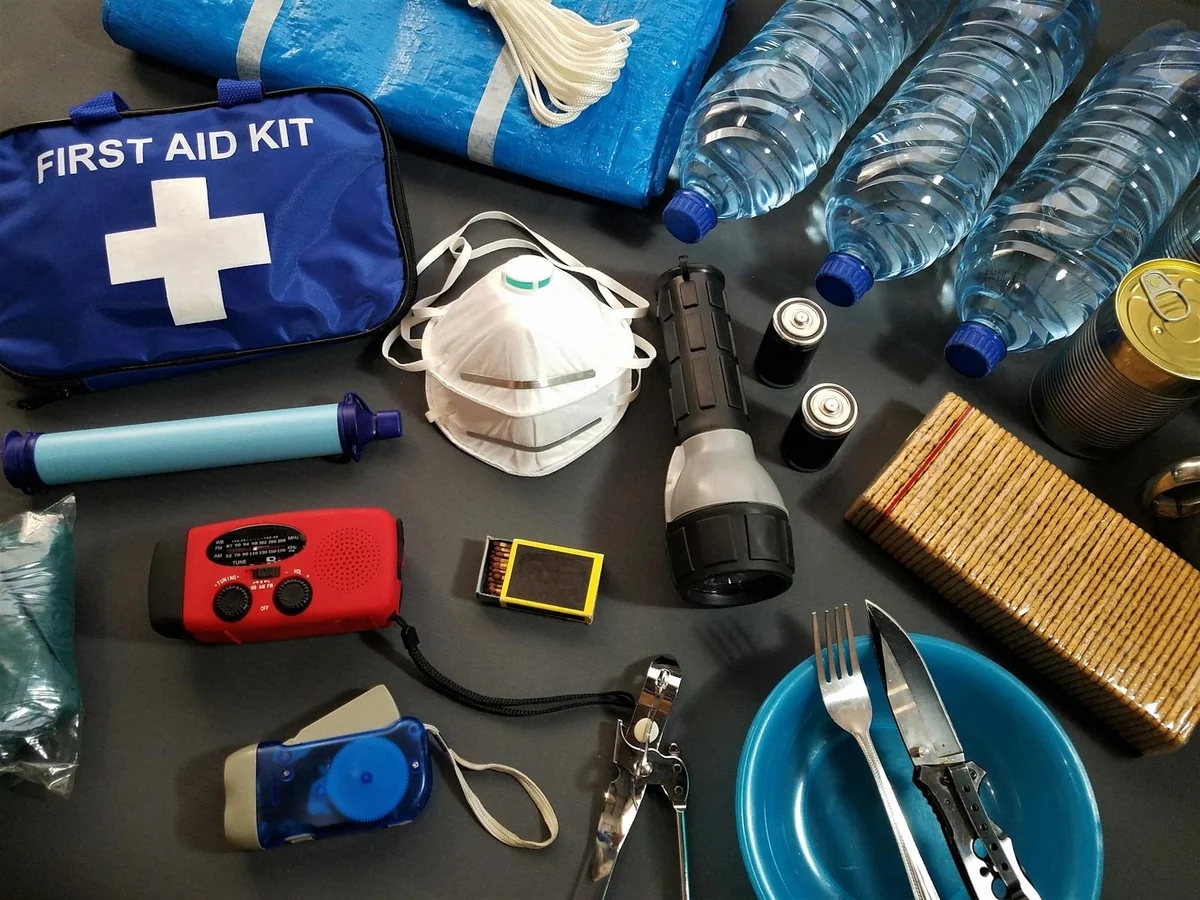
During a powerful Atlantic storm, heavy rain flooded nearby roads and brought down power lines across our area. We spent three days without electricity, relying on bottled water, ready-to-eat food, LED torches, a wind-up radio and a charged power bank. It showed us how quickly an ordinary British household can become isolated when transport, mobile coverage and power fail at the same time.
What we learned
Since then, we have tested more than 40 emergency products in conditions that reflect real life in the UK: winter power cuts, persistent rain, cold-weather camping and household evacuation drills. We pay particular attention to compact equipment that works in flats and smaller homes where storage space is limited.
EmergencyKitLab UK grew from that practical approach. We keep a grab bag by the door, basic supplies in a kitchen cupboard and essential equipment in the car boot. Every recommendation is personally tested or carefully reviewed against GOV.UK Prepare, Met Office and British Red Cross guidance.
Editorial transparency: EmergencyKitLab earns commission when you purchase through Amazon links. That is why we can tell you when the cheap option suffices and when it is worth paying more. We verify every recommendation against official sources (UK Cabinet Office, WHO, Red Cross) and with our own real-world testing.
Our methodology
All quantities calculated by the EmergencyKitLab UK planner are based on recommendations from internationally recognized official sources. We do not make up numbers: we apply them to your specific situation.
UK Government — Prepare (Cabinet Office)
The official gov.uk "Prepare" campaign and Cabinet Office resilience guidance: household emergency checklists and what to do when power, water, or phone networks go down.
World Health Organization (WHO)
Standards for drinking water, emergency nutrition, and hygiene in crisis situations.
British Red Cross
First aid protocols, emergency kits, and disaster response guidelines.
UK Health Security Agency (UKHSA) & NHS
Public health guidance for pandemics, heatwaves, cold-weather alerts, and contaminated-water advice for households.
Our calculation engine uses these standards and adjusts them for the number of people, plan duration, emergency scenario, your region’s climate, and your family’s special needs (infants, elderly, pets). The result is a list with exact quantities, not generic estimates.
How we select products
Every product in our catalog meets strict criteria before we recommend it:
Minimum 4-star rating
We only include products with at least 4 stars out of 5 and a significant number of reviews on Amazon.
Verified availability
Every product is checked for availability and Prime shipping. We remove products that go out of stock.
Hands-on assessment
Whenever possible, we test or review the products ourselves. Our picks come from real-world experience, not just spec sheets.
3 budget tiers
We offer Basic, Standard, and Premium options for every category so you can prepare regardless of your budget.
Transparency
We believe trust is built through honesty about how this project works.
Revenue model
EmergencyKitLab UK participates in the Amazon Associates Program. When you purchase through our links, we earn a small commission at no extra cost to you. This model lets us offer the tool completely free.
Editorial independence
Recommendations are based exclusively on the engine calculations and each product’s rating, never on the commission we receive. The engine selects products by category, budget tier, and rating. There are no sponsored products or paid placements.
If a product no longer meets our criteria (drops below 4 stars, loses Prime availability, or becomes disproportionately expensive), we replace it with a better alternative.
The Editor

James Walker
Emergency preparedness editor · Northern England
I write for UK households that want to be ready for floods, winter storms and power cuts without turning their home into a bunker. My approach is practical: a compact household kit, a clear family plan and equipment that has been tested in the cold and rain.
- Reviewed household lessons from Storm Babet and Storm Éowyn, including flooding, transport disruption and prolonged power cuts
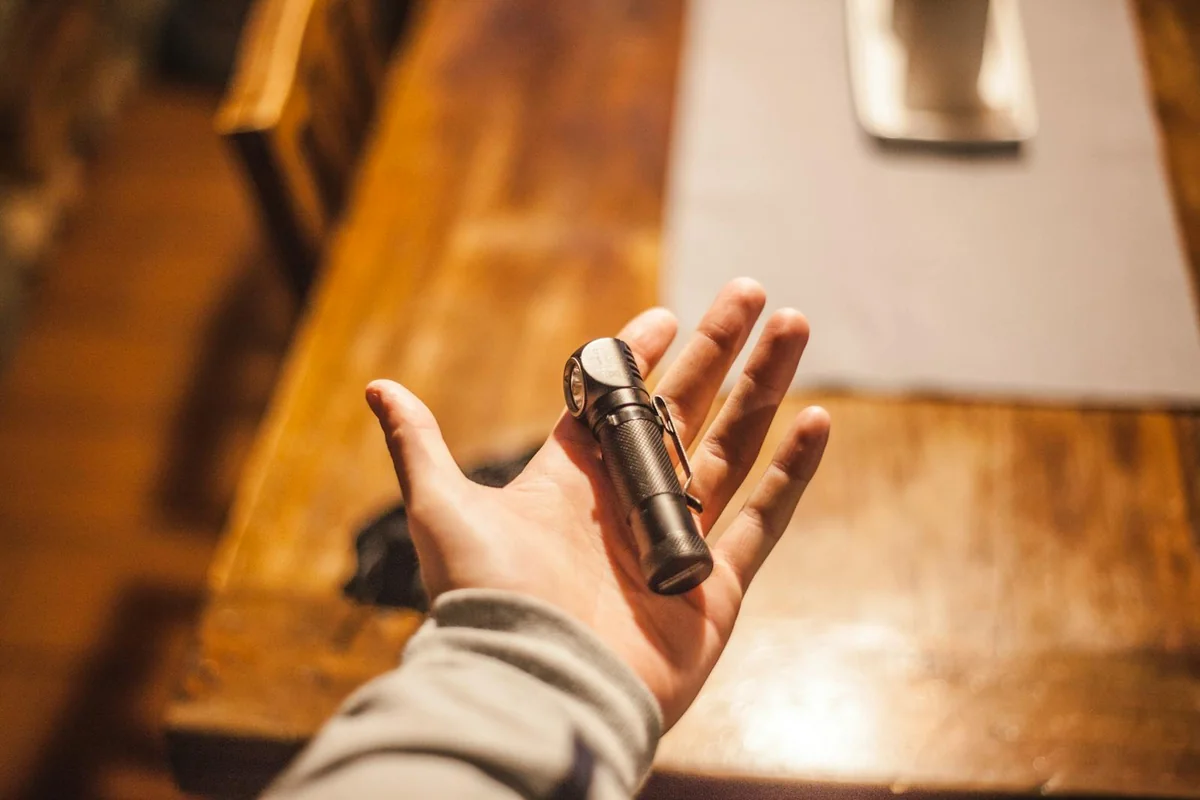
- Tested wind-up radios, LED torches, power banks, waterproof document storage and compact food supplies
- Maintains a home emergency kit and grab bag designed for a typical British household with limited storage
Our editorial process
Every article we publish on EmergencyKitLab UK follows a rigorous creation process. We do not copy generic recommendations: we want you to trust what you read.
Research from official sources
Every claim is cross-referenced with UK Resilience, the Red Cross, the WHO, and the NHS before publication.
Testing with real products
We do not recommend anything we have not personally used or evaluated. Products are tested under real conditions, not just from spec sheets.
Regular updates
Articles are revised to update discontinued products, changed prices, and new information from official sources.
No sponsors
No manufacturer or brand pays to appear on EmergencyKitLab UK. Our revenue comes exclusively from the Amazon Associates Program, and recommendations are independent.
Build your emergency plan
Answer a few questions about your family and situation and get a personalized plan with exact quantities and recommended products. Free, no sign-up.
Build your personalized plan