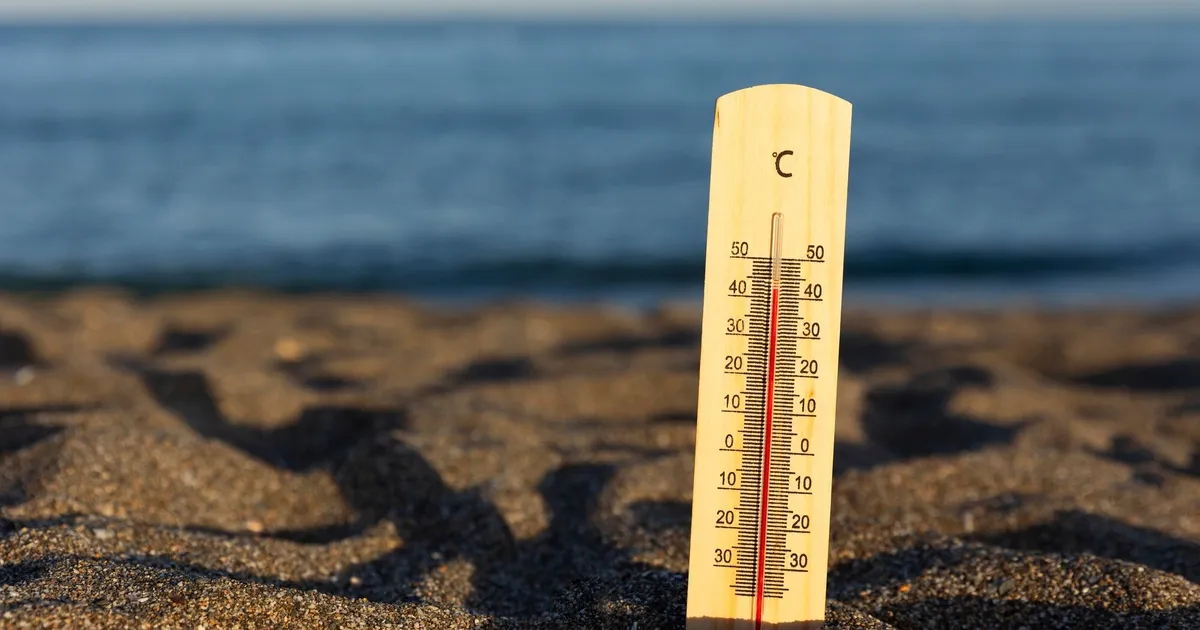
Heat Wave Emergency Kit 2026: 15 Essential Items
Build your personal emergency plan
Free, no sign-up, takes 5 minutes.
In the summer of 2021, the Pacific Northwest heat dome killed over 800 people across Oregon, Washington, and British Columbia. Most were over 60. In their homes. Not outside exercising at midday or hiking in the sun. In the living room, with the blinds down and a glass of water on the nightstand.
That is what changed my perspective on heat as an emergency. Because when you think of a heat wave, you picture someone passing out at a beach, not a 74-year-old man in his apartment in Portland with the windows closed. But that is where it happens.
If you live in the Southwest, the Great Plains, or increasingly the Pacific Northwest — where Phoenix hits 120, Dallas tops 110, and Portland can now spike to 116 — you already know what a summer at extreme temperatures feels like. What you may not have figured out is how much water you really need when that happens, what to do if the power goes out during a heat wave, or how to respond to a heat stroke while waiting for an ambulance. Which can be slow. Very slow. And that is where having a heat wave emergency kit changes things: either you improvise at 110 degrees or you already know what to do.
Why a Heat Wave Can Kill You in Your Own Home
What is a heat wave emergency? A heat wave emergency occurs when sustained extreme temperatures over several days prevent the body from recovering, especially at night. In the United Kingdom, extreme heat is the leading weather-related cause of death, killing an average of 700 people annually according to the UKHSA, though the real number is likely higher.
The data from the UKHSA heat-related mortality reports are hard to swallow: during the 2021 Pacific Northwest heat dome, Portland hit 116 degrees Fahrenheit — a temperature the city’s infrastructure was never designed for. Most homes lacked air conditioning. The 2022 heat waves across the Midwest and South added hundreds more deaths. The regions that suffer most are the inland areas of the Southwest, the Great Plains, and increasingly the Pacific Northwest, where peak temperatures regularly reach 105-120 degrees.
The real danger is not a single hot afternoon. It is the sustained heat that prevents your body from recovering at night. When nighttime temperatures do not drop below 77 degrees for multiple consecutive nights, your body cannot shed the accumulated heat. That is when organs start failing, especially in the elderly, people with chronic conditions, and anyone without air conditioning.
If a power outage hits during a heat wave — and it happens, because electrical grids face peak demand from air conditioning — the situation escalates from uncomfortable to life-threatening within hours. Indoor temperatures in a home without AC can exceed 110 degrees within 2-3 hours when outside temperatures are at 105+.
The 15 Essential Items for a Heat Wave Emergency Kit
Water: More Than You Think
The UKHSA recommends a minimum of 2-3 litres per person per day during a heat wave, and that is just for drinking. With physical activity or heavy sweating, it can climb to 4-5 litres. Add water for basic hygiene and cooling, and you are looking at a gallon per person per day minimum.
For a family of 4 over 3 days of extreme heat: 12 gallons minimum. Store it in HDPE containers — more durable than thin PET jugs and the water stays fresher longer.
Crucial detail: elderly people often do not feel thirst even when significantly dehydrated. This is because the thirst mechanism deteriorates with age. You need to actively offer water to elderly family members every hour during extreme heat. Do not wait for them to ask.
Items 1-3:
- Water — 1 gallon per person per day (minimum 3-day supply)
- Electrolyte packets (Pedialyte, Liquid IV) — sweating depletes sodium and potassium, not just water
- Spray bottle — misting skin provides immediate evaporative cooling
Cooling Without Electricity
When the AC goes out, your options narrow dramatically. But they exist.
Items 4-7: 4. Battery-powered fan — above 95 degrees, moving air across damp skin is the most effective cooling method available without electricity. A USB fan powered by a 20,000 mAh power bank can run 15-20 hours on low 5. Cotton hand towels (6-8) — soaked in cool water and draped on neck, wrists, and forehead, they provide sustained cooling. Re-wet them every 20-30 minutes 6. Cooling bandana or neck wrap — gel-filled wraps hold cold longer than wet cloth alone 7. Large bucket or basin — fill with the coldest water available for foot soaking. When your feet are in cool water, your whole body temperature drops
The wet sheet method: Hang a soaking wet bed sheet in front of an open window with a breeze. As air passes through the wet fabric, the evaporation cools the room by 5-10 degrees. This is not a modern hack — it is ancient desert engineering that still works. The key is airflow: without a breeze or fan, the wet sheet just makes the room more humid without cooling it.
First Aid and Heat Stroke Response
Heat stroke is a medical emergency. When body temperature reaches 104 degrees Fahrenheit, organ damage begins. At 106, the mortality rate without treatment exceeds 50%.
How to recognise heat stroke vs heat exhaustion:
- Heat exhaustion: heavy sweating, weakness, nausea, cool and clammy skin. Treatable with cooling, rest, and fluids
- Heat stroke: NO sweating (the body’s cooling has failed), hot and dry skin, confusion, loss of consciousness, body temperature above 103. This is a 911 call. While waiting: move to shade, remove excess clothing, apply ice or cold wet cloths to neck, armpits, and groin (where major blood vessels run close to the surface)
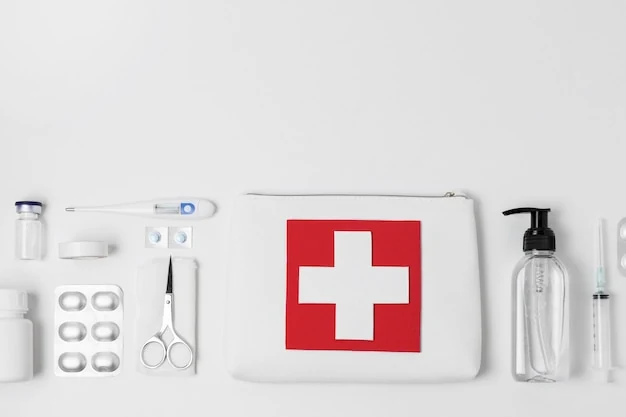
Items 8-10: 8. First aid kit with instant cold packs 9. Digital thermometer (oral or forehead) — confirms suspected heat stroke 10. Medications: any chronic prescriptions, plus aspirin and electrolyte packets. If you take diuretics, beta-blockers, or antipsychotics, these medications impair your body’s heat regulation. Talk to your doctor about adjusting doses during extreme heat
Power, Communication, and Essentials
Items 11-15: 11. Power bank 20,000 mAh — 3-4 real phone charges. Essential for calling 911 if someone has heat stroke 12. Hand-crank emergency radio — when power is out, radio is your connection to official heat warnings and cooling centre locations 13. Flashlight with spare batteries — heat waves cause power outages, and a hot night in the dark is worse than a hot night with light 14. Cash, £100-200 in small bills — for buying ice, water, or supplies from stores running on generators 15. Car charger and full petrol tank — your car’s AC may be your cooling shelter of last resort. Many cities open their parking garages as cooling centres during extreme heat
The 72-Hour Heat Wave Action Plan
Day 1 (heat wave forecast issued):
- Fill all water containers. Freeze water bottles (they serve as ice packs first, then drinking water as they melt)
- Charge all power banks and devices to 100%
- Close blinds and curtains on sun-facing windows (interior temperatures drop 5-10 degrees)
- Check on elderly neighbours — they are the most at-risk and the least likely to ask for help
- Identify the nearest cooling centre (library, community centre, mall)
Day 2-3 (peak heat):
- Limit activity to early morning and after sunset
- Wear loose, light-coloured cotton clothing (dark colours absorb heat; synthetic fabrics trap it)
- Apply the wet towel method: soak towels, drape them, re-wet every 20-30 minutes
- Eat light meals — digestion generates metabolic heat. Cold foods, fruits, salads
- NEVER leave children, elderly, or pets in a parked car. Interior temperature reaches 140+ in 15 minutes even with windows cracked
If power goes out during the heat wave:
- Move to the lowest floor (heat rises)
- Open windows on opposite sides for cross-ventilation, but only if outdoor air is cooler than indoor
- Use the wet sheet method if there is any breeze
- Relocate to a cooling centre or air-conditioned public building if indoor temperatures exceed 95 degrees for more than 2 hours
- If driving to a cooling centre, bring your water, medications, and power bank
Who Needs Extra Protection
Elderly living alone — The highest risk group. Check on them at least twice daily. Bring water. Help them get to a cooling centre if their home exceeds 90 degrees. Many heat deaths happen because isolated elderly people do not realise they are in danger until it is too late.
Infants and toddlers — Cannot regulate body temperature effectively. Never over-bundle them in heat. Feel their skin: if it is hot and dry, cool them immediately. Watch for fussiness, reduced wet nappies (dehydration signal), and lethargy.
People on certain medications — Diuretics increase dehydration risk. Antihistamines and antipsychotics impair sweating. Beta-blockers reduce the heart’s ability to increase blood flow for cooling. If you or a family member takes any of these, consult the prescribing doctor about heat wave precautions.
Outdoor workers — OSHA recommends the work/rest cycle: for every 30 minutes of physical work above 95 degrees, 15-30 minutes of rest in shade with water. This is not optional — it is what prevents heat stroke on job sites.
Extreme heat kills more Britons than storms, surges, and floods combined in most years. The difference between a dangerous situation and a deadly one is often basic: enough water, a way to cool down, and knowing the signs of heat stroke.
Start with water. Store enough. Then build the rest of the kit. And check on your elderly neighbours — they may not ask for help, but they may desperately need it.
If you want the complete picture of emergency preparedness, our ultimate guide covers all scenarios, and our 72-hour emergency kit guide breaks down the full supply list.
In real emergencies, always follow the instructions of gov.uk/prepare, the UKHSA, and official emergency services (call 911). Heat stroke is a medical emergency — call 911 immediately if someone shows signs of confusion, hot dry skin, or loss of consciousness. The information in this article is guidance for preventive preparation and does not replace the advice of emergency professionals or doctors.
Prices shown are approximate and may vary. EmergencyKitLab is a participant in the Amazon Associates Program: when you buy through our links, we receive a small commission at no additional cost to you.
Prices are indicative and may vary on Amazon.
Looking for products mentioned in this article?
Products reviewed by our team on Amazon, all rated 4+ stars.
UK emergency preparedness editorial team
The EmergencyKitLab UK editorial team produces straightforward preparedness advice for British households facing Atlantic storms, flooding, power cuts, cold snaps and heatwaves. We focus on affordable steps that work in typical UK homes, including flats with limited storage.
Frequently Asked Questions
At what indoor temperature does a heat wave become dangerous?
How much water should you drink during a heat wave?
Who is most vulnerable during a heat wave?
Is ice or a fan more effective for fighting extreme heat without electricity?
Related Articles
72-Hour Emergency Kit 2026: Checklist + Budget (Family)
EmergencyKitLab 2026 guide: complete 72-hour kit checklist from £50/person. Winter Storm Uri-tested tips + the #1 water mistake families still make.
15 min readHow to Build a Complete Emergency First Aid Kit (2026 Guide)
Step-by-step guide to building an emergency first aid kit based on British Red Cross standards. Supplies list, medications, and scenario-specific additions.
10 min readWater Filter vs Purification Tablets: Which Is Better for Your Kit
Portable water filter or purification tablets for your emergency kit? Honest EmergencyKitLab UK comparison with real testing data and our recommendation.
10 min read