Go Bags and Kits
Tactical backpacks, complete 72-hour survival kits, and ready-to-go evacuation bags.
Guide to choosing the right go-bag →
How to choose an emergency go-bag, the EmergencyKitLab way
The 72-hour go-bag is the backbone of any evacuation plan, and the most common mistake we see is buying the cheapest all-in-one kit and assuming the job is done. A bag and its contents have to match your household, your area and what you can realistically carry. The EmergencyKitLab planner works out the exact quantities your family needs before you spend anything.
- For an adult, 40 to 65 litres is the sweet spot. More volume is not better preparedness: an overloaded bag you cannot carry comfortably is worse than a lighter one packed with intent.
- Pre-packed kits are a reasonable starting point, but every one needs personalising. Add what a generic kit cannot know about: prescription medication, copies of documents, spare glasses, and clothing for your climate.
- A MOLLE or compartmentalised bag lets you organise contents by priority. Whatever you reach for first — torch, first aid, water filter — belongs in the most accessible pocket, not buried at the bottom.
- Test the bag fully loaded before you ever need it. A 15 kg rucksack you have never lifted becomes a genuine liability during an evacuation under stress, especially on stairs or over distance.
Pre-packed kit or build your own?
This is the first real decision, and there is no single right answer. A pre-packed 72-hour kit gets you to "prepared" in one purchase, which matters enormously if the alternative is putting it off for another year. The honest trade-off is that mass-produced kits are assembled to a price. The torch is usually serviceable, the first aid contents are basic, and the "food" is often a few energy bars rather than anything you would want to eat for three days. Treat a bought kit as a chassis, not a finished build: keep the bag and the bulky items, then upgrade the components that actually matter under pressure.
Building your own takes more effort up front but produces a bag that fits you exactly. You choose a rucksack that suits your back and your storage space, then add components you have selected and tested. In practice the strongest setups I have seen are hybrids — someone starts with an affordable empty 40-litre bag, drops in a quality water filter and a proper first aid kit, and fills the gaps with items their household already trusts. The point is not to spend the most money; it is to end up with a bag you understand and can carry.
Whichever route you take, weight is the constraint that catches people out. It is easy to keep adding "just in case" items until the bag is too heavy to move quickly. A useful discipline: once the bag is packed, walk a kilometre with it. If you are struggling at the kerb, you will be struggling far more during a real evacuation with adrenaline and possibly children or pets in tow. Strip back to what earns its weight.
What actually belongs in a 72-hour bag
Start with the non-negotiables that civil protection guidance lists for everyone: water and a means to purify more, shelf-stable food that needs no cooking, a torch with spare batteries, a power bank, a basic first aid kit, and copies of important documents in a waterproof wallet. Add a small amount of cash in low denominations, because card terminals and ATMs fail in a power cut. These items cover the overwhelming majority of realistic UK scenarios — flooding, a prolonged outage, or a fast evacuation — without any specialist gear.
Then layer in what is specific to your household, because this is where generic kits fall down. Medication for anyone with a chronic condition, formula and nappies for a baby, food and a lead for a pet, spare glasses, and warm layers appropriate to a British winter. None of this is exotic, and all of it is the difference between a bag that technically exists and one that genuinely keeps your family functioning for three days.
Finally, think about information and contact. Keep a written list of emergency numbers and a couple of key contacts on paper, because you cannot assume your phone will survive or stay charged. A small wind-up or battery radio is worth its space when the mobile network is down, as it was for many during recent storm-related outages. The recurring lesson from real emergencies is mundane: the people who coped best were rarely the ones with the most gear, but the ones whose modest kit was packed, accessible and already familiar.
Recommended products
Before you settle on a specific bag, picture the actual situation you are preparing for. A go-bag for a flat in a flood-risk area near a river is a different problem from one kept in the car for a winter breakdown on the motorway. The UK government’s "Prepare" guidance and the British Red Cross both make the same point: the bag you can grab in under a minute and carry to safety beats the elaborate kit you have to assemble while water is rising. Build around what you will genuinely use in the first 72 hours, not around an idealised survival fantasy.
Products reviewed by the EmergencyKitLab UK team using civil protection and Red Cross guidance as baseline references
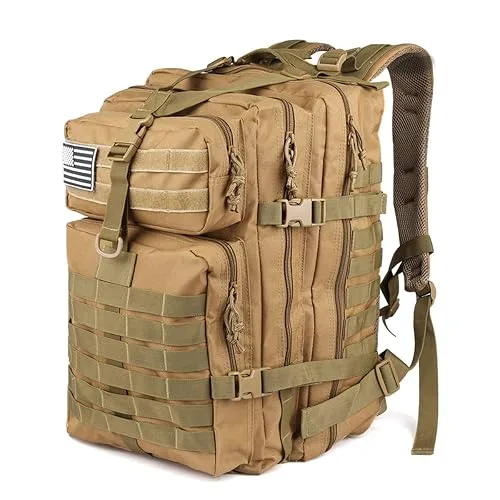
ROARING FIRE Tactical Backpack, Expandable Molle Backpack for The Outdoor, Hiking, 3 Day Pack, Bug Out Bag,
ROARING FIRE Tactical Backpack, Expandable Molle Backpack for The Outdoor, Hiking, 3 Day Pack, Bug Out Bag,
39,99 €
4.7 (838)
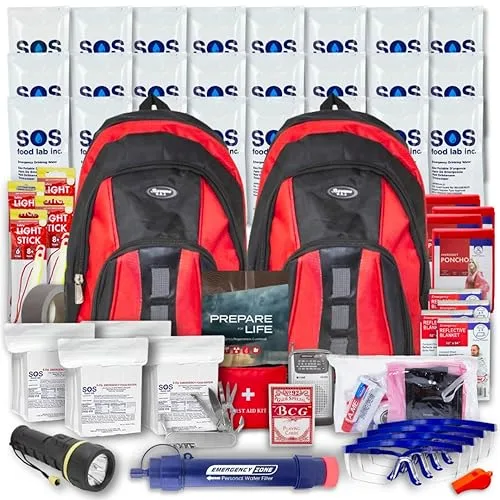
Essentials Complete Deluxe Survival Kit 2 & 4 Person | Bug-Out-Bag | Emergency Go Bag Kit for Wildfires, Hurricanes, and
Essentials Complete Deluxe Survival Kit 2 & 4 Person | Bug-Out-Bag | Emergency Go Bag Kit for Wildfires, Hurricanes, and Other Natural Disasters
169,99 €
4.6 (829)
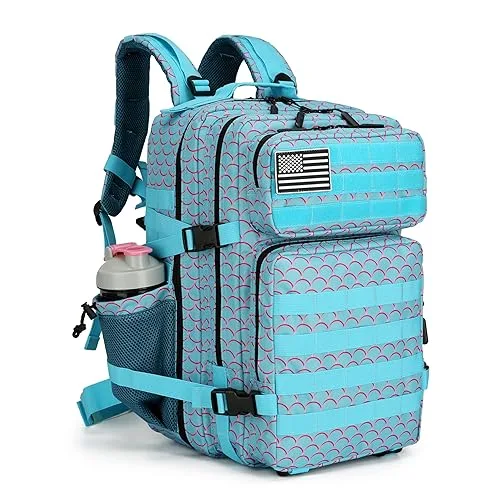
45L Military Tactical Backpack Hiking Backpacks Tactical Gear Camo Back Pack Army Molle Bag Rucksack Fitness Daypack
45L Military Tactical Backpack Hiking Backpacks Tactical Gear Camo Back Pack Army Molle Bag Rucksack Fitness Daypack
39,99 €
4.6 (799)
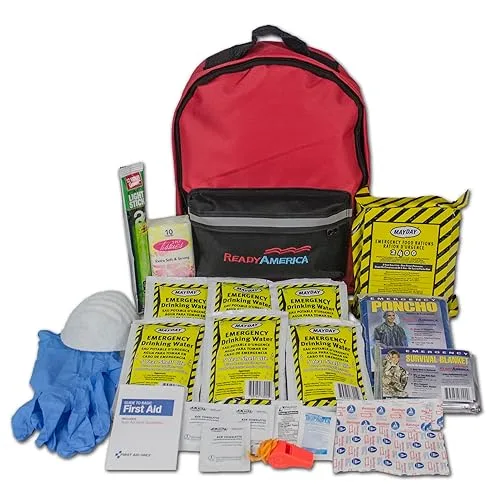
Ready America 70180 72 Hour Emergency Kit, 1-Person, 3-Day Backpack, Includes First Aid Kit, Survival Blanket, Emergency
Ready America 70180 72 Hour Emergency Kit, 1-Person, 3-Day Backpack, Includes First Aid Kit, Survival Blanket, Emergency Food Portable Disaster Preparedness Go-Bag for Earthquake, Fire, Flood
24,99 €
4.7 (758)
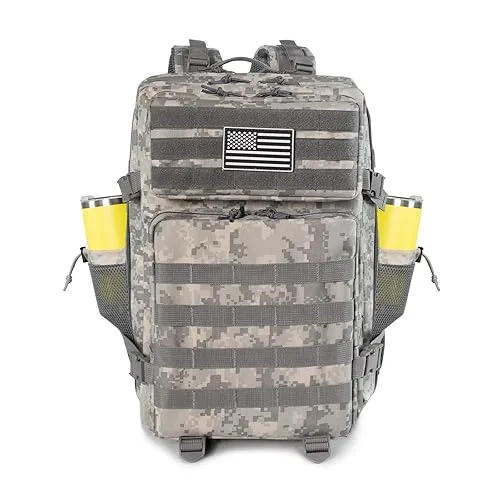
45L Grey Camo Military Tactical Backpack 3 Day Molle Assault Pack Large Army Bug Out Bag Rucksack Daypack for Men Outdoo
45L Grey Camo Military Tactical Backpack 3 Day Molle Assault Pack Large Army Bug Out Bag Rucksack Daypack for Men Outdoor Hiking Army Camping Hunting
28,99 €
4.6 (759)
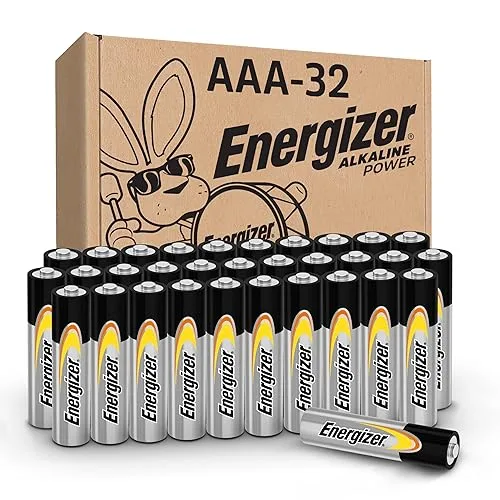
Alkaline Power AAA Batteries, 32 Count, Long-Lasting Triple A Batteries, Suitable for Everyday Electronics and Emergency
Alkaline Power AAA Batteries, 32 Count, Long-Lasting Triple A Batteries, Suitable for Everyday Electronics and Emergency Gear
19,99 €
4.8 (536)
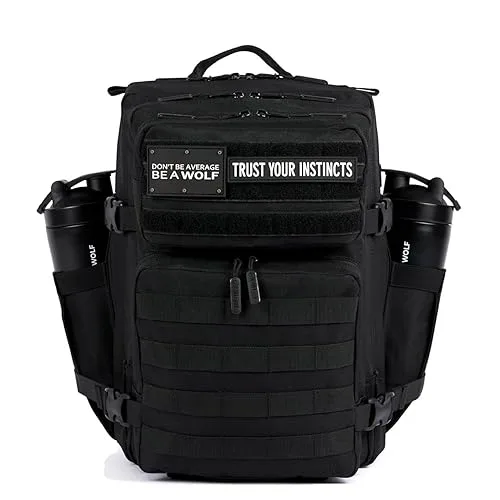
WOLFpak 35L Tactical Gym Backpack (Alpha Black) Durable 1000D Waterproof Oxford Material with MOLLE Webbing, Laptop Pock
WOLFpak 35L Tactical Gym Backpack (Alpha Black) Durable 1000D Waterproof Oxford Material with MOLLE Webbing, Laptop Pocket & Dual Cup Holders, Durable Fitness/Travel/Military Daypack
164,95 €
4.8 (498)
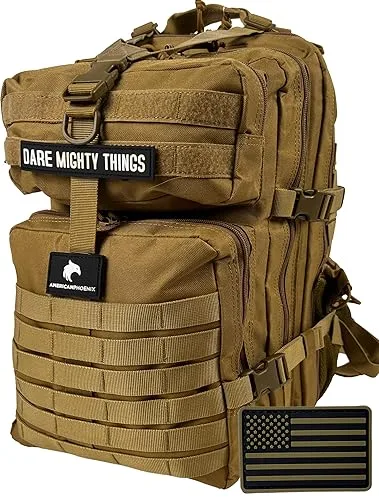
AMERICANPHOENIX 45L Elite Tactical Backpack | 3X Stronger Work & Military Backpack | Water Resistant and Heavy Duty | 3
AMERICANPHOENIX 45L Elite Tactical Backpack | 3X Stronger Work & Military Backpack | Water Resistant and Heavy Duty | 3 Day MOLLE Bug Out Bag (Dune Brown)
59,95 €
4.6 (493)
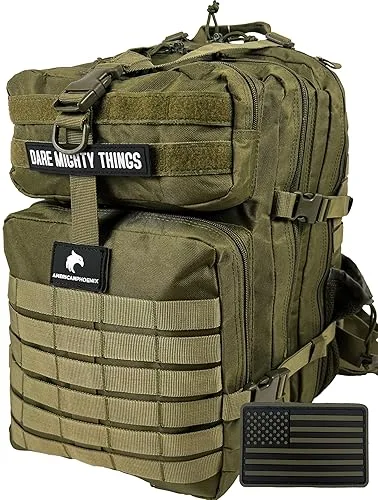
AMERICANPHOENIX 45L Elite Tactical Backpack | 3X Stronger Work & Military Backpack | Water Resistant and Heavy Duty | 3
AMERICANPHOENIX 45L Elite Tactical Backpack | 3X Stronger Work & Military Backpack | Water Resistant and Heavy Duty | 3 Day MOLLE Bug Out Bag (Olive Green)
59,95 €
4.6 (493)
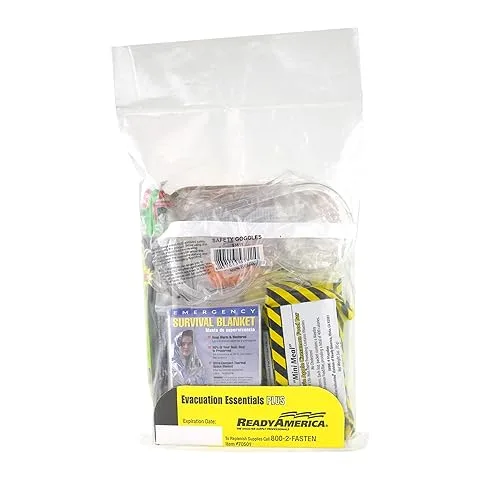
QuakeHOLD! Evacuation Essentials Plus Kit, Earthquake, Fire, Flood, Hurricane, Bug Out Bag, 5-Year Food, 5-Year Water, E
QuakeHOLD! Evacuation Essentials Plus Kit, Earthquake, Fire, Flood, Hurricane, Bug Out Bag, 5-Year Food, 5-Year Water, Emergency Preparedness Kit, Compact Survival Bag For Office, Home, Car, 1 Pack
8,64 €
4.6 (480)
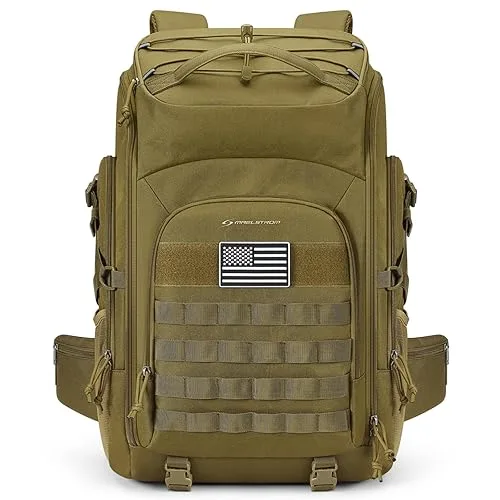
Maelstrom Tactical Backpack for Men, Water Resistant 40L Military Backpack, for Hiking, Camping, Gym with Molle System (
Maelstrom Tactical Backpack for Men, Water Resistant 40L Military Backpack, for Hiking, Camping, Gym with Molle System (Khaki)
33,91 €
4.5 (466)
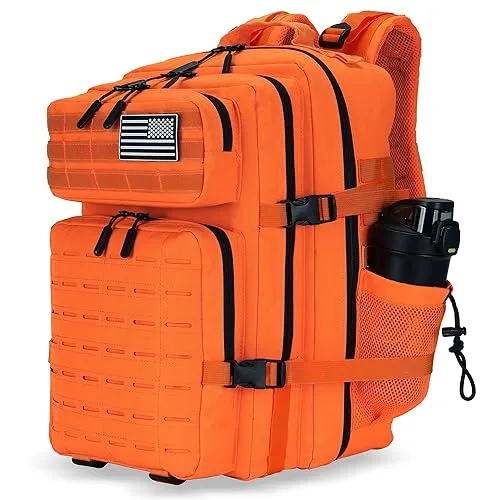
Military Tactical Backpack 45L/25L 3 Day Assault Pack Molle Daypack Hiking Backpack for Men and Women
Military Tactical Backpack 45L/25L 3 Day Assault Pack Molle Daypack Hiking Backpack for Men and Women
35,99 €
4.7 (411)
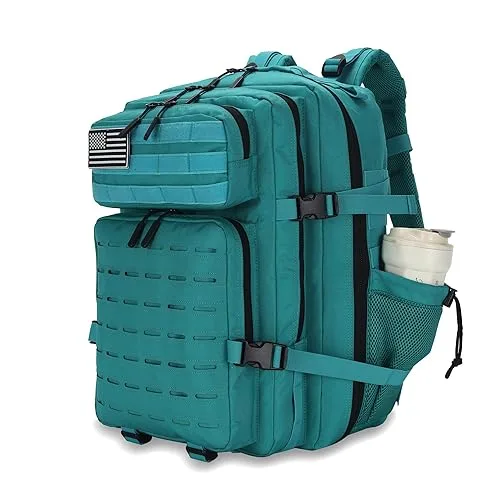
Military Tactical Backpack 45L/25L 3 Day Assault Pack Molle Daypack Hiking Backpack for Men and Women
Military Tactical Backpack 45L/25L 3 Day Assault Pack Molle Daypack Hiking Backpack for Men and Women
39,99 €
4.7 (411)
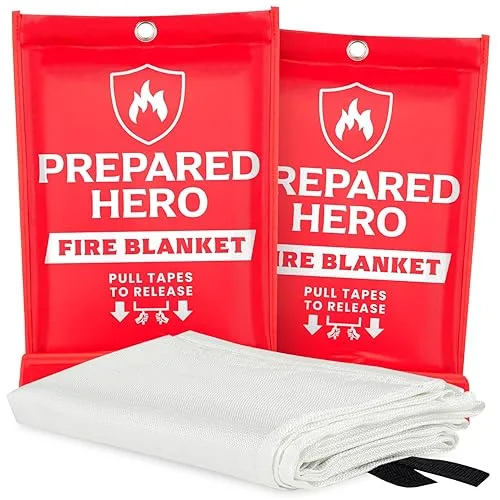
Prepared Hero Emergency Fire Blanket - 2 Pack - Fire Suppression for Kitchen, 40” x 40” Fiberglass Fire Blanket for Home
Prepared Hero Emergency Fire Blanket - 2 Pack - Fire Suppression for Kitchen, 40” x 40” Fiberglass Fire Blanket for Home
39,98 €
4.8 (316)
The links above are affiliate links. If you purchase through them, we earn a small commission at no extra cost to you. We only recommend products we use or have reviewed ourselves. Learn more →
Remember that the bag is only the container. The value is in the contents, how well they fit your household, and whether you have actually handled them once. Set a reminder to check your go-bag twice a year — when the clocks change is an easy anchor — to rotate anything with an expiry date, swap clothing for the season, and confirm the torch and any powered items still work. If you have not yet worked out what your family actually needs, the free EmergencyKitLab planner gives you a tailored list in under five minutes.
Editorial verdict
If you do only one thing, choose a go bags and kits option you already know how to use and keep it easy to reach. The most expensive setup is not automatically the right one. Use the EmergencyKitLab UK planner to size the rest of your household setup correctly.
Our planner calculates exactly what you need based on your situation, headcount, and scenario.
Build your personalized planHow to choose go bags and kits: what actually matters
Emergency gear should be judged by reliability under stress, not by feature count. If it fails when power is out, hands are cold, or you are tired, the spec sheet does not matter.
Start from your real scenario: sheltering at home, evacuating quickly, covering one person, or covering a whole household. Duration, storage space, and redundancy needs change the right choice completely.
Prioritize gear you can operate without rereading instructions. Simpler setups usually beat more complex ones in real household emergencies.
EmergencyKitLab UK filters for practical usefulness, stable availability, and review history. That does not make every pick perfect, but it does remove a lot of low-signal catalog noise.
Common mistakes when buying go bags and kits
Most purchasing mistakes are predictable. Catching them early saves money and makes the kit more usable when things go wrong.
Buying before defining the scenario
A home blackout setup, a car kit, and a go-bag solve different problems. If you skip that distinction, you usually overspend and still miss key gaps.
Assuming more gear means better preparedness
Extra items add weight, clutter, and maintenance. A smaller setup you understand is usually stronger than a larger one you never test.
Ignoring household-specific needs
Children, older adults, medications, pets, and limited storage all change what makes sense. Generic shopping lists miss those details.
Forgetting rotation and maintenance
Batteries discharge, consumables expire, and products drift to the back of a closet. If you never review the setup, it will quietly degrade.
How to maintain and rotate go bags and kits
Preparedness gear is not a one-time purchase. It needs periodic review so it still works when you actually depend on it.
Tie the review to a memorable date such as the start of storm season, New Year, or a daylight-saving change. Check consumables, test powered items, and replace anything expired or damaged.
Use simple rotation rules for food, hygiene items, and medical supplies. The oldest items should be the first ones out.
The EmergencyKitLab UK planner is useful here too: it gives you a stable reference for how much to restock after each review cycle.