Water and Hydration
Jugs, water filters, and purification tablets to ensure clean drinking water in any emergency.
Complete guide to water storage and purification →
How to choose your water system, the EmergencyKitLab way
Not every water product solves the same problem. The right choice depends on the space you have, how long your plan needs to cover, and whether you expect to shelter at home or evacuate. A house with a basement can store large jerry cans; a 72-hour bag needs an ultralight filter. The EmergencyKitLab planner helps you work out exactly how much water your household needs before you buy anything.
- Budget 3 litres per person per day for drinking, cooking and minimum hygiene. A family of four for seven days means at least 84 litres in static storage.
- Pump and hollow-fibre filters (Sawyer, Katadyn, LifeStraw) remove bacteria and protozoa but NOT viruses. In areas with sewage contamination, pair them with chlorine or chlorine-dioxide tablets.
- Purification tablets are the cheap, lightweight backup. Keep an unopened blister in every evacuation bag even if you have jerry cans at home.
- Rotate bottled and stored water every 6 to 12 months. Cheap plastic can leach compounds when stored in heat or direct light, so keep containers cool and dark.
Choosing between gravity, pump and UV filters
Picking a water purification system looks simple until you start comparing options. There are three main technologies and each has its place. Gravity filters work with no electricity and no physical effort: you fill the top reservoir, gravity pulls the water through a ceramic or activated-carbon element, and you collect clean water below. They are ideal for use at home during a prolonged supply cut, because you can leave them working while you deal with everything else. Their limitation is throughput, since most process between 1 and 3 litres per hour, which can feel slow for a large family.
Pump filters take manual effort but are far faster and more portable. A good pump filter processes roughly a litre a minute, which makes an enormous difference when you need water for several people or you are on the move. They are the preferred option for evacuation bags and any situation where you cannot stay put waiting. The downside is that you need an accessible water source, and the sustained pumping is more tiring than it sounds, especially under stress or in heat.
Ultraviolet (UV) purifiers are the lightest and fastest option: you stir the lamp in a litre of water and in 60 to 90 seconds it neutralises 99.9% of viruses, bacteria and protozoa. UV is the only one of the three that reliably deals with viruses without chemicals. Its weak point is that it depends on batteries or USB charging, and it struggles with cloudy water because suspended particles create shadows that shield pathogens. If the water is murky, pre-filter it through a cloth or basic filter before applying UV.
My recommendation after years of testing different systems: for the home, a large gravity filter as the primary system and purification tablets as backup. For the evacuation bag, a compact pump filter plus a UV purifier as a complement. Do not marry a single technology. In every prolonged outage I have followed closely, the households that had two distinct methods were the ones that never ran into a drinking-water problem during the critical first days.
Common mistakes when storing water for emergencies
The first mistake I see constantly is storing water in thin plastic containers left in the sun or next to a heat source. The polyethylene of cheap supermarket jugs is not designed for long-term storage. With heat it releases compounds that spoil the taste and, in the worst case, can be harmful. If you are storing water for months, use food-grade high-density polyethylene (HDPE) containers and keep them somewhere cool and dark. An interior cupboard, a storage room or under the bed all work well.
Another frequent error is calculating only drinking water and forgetting that you also need water for cooking, basic hygiene and, if you have pets, for them too. The 3-litres-per-person-per-day rule that civil protection agencies publish is an absolute survival minimum. In practice, with cooking and minimal hygiene, you need between 4 and 5 litres per person per day. I learned that the hard way during a week without supply: by the third day I was already rationing cooking water because I had only planned for drinking.
The third mistake is failing to rotate stored water. Commercial bottled water has a best-before date, usually one to two years out. It does not turn toxic past that date, but the taste degrades and the plastic can break down. The fix is to build rotation into your routine: every six months, use the stored water for plants or cleaning and refill with fresh. That way you always have a current reserve and waste nothing.
A fourth mistake few people mention: blindly trusting a single purification method you have never actually tried. I have seen people buy a filter, leave it sealed in the bag, and assume it will work when they need it. Test it at least once. Learn how it assembles, how long it takes to filter a litre, and check that the output tastes clean. That ten-minute rehearsal can spare you a serious problem when you genuinely depend on it.
Maintaining and rotating your water reserve
Maintaining the water system matters as much as owning it. A filter with an expired cartridge or a jerry can with algae in the bottom is worse than nothing, because it gives you a false sense of security. Correct maintenance has three legs: static storage, filters, and purification tablets.
For static storage, the keys are darkness, stable temperature and cleanliness. Wash containers with a diluted food-safe bleach solution (about 8 drops per litre, leave 30 minutes, rinse well) before the first fill. Once full, mark them with the fill date and plan rotation every 6 months. If you use transparent or translucent containers, cover them with dark cloth to stop algae growth from light exposure.
Ceramic and activated-carbon filters have a service life measured in litres processed, not in time. A Katadyn BeFree lasts around 1,000 litres; a ceramic gravity cartridge can reach 20,000 litres. Track the litres you filter or, if you use it rarely, replace it every two years as a precaution. Activated-carbon filters lose effectiveness over time even unused, because the carbon absorbs compounds from the air, so keep them sealed in their original packaging until the moment of use.
Purification tablets carry a manufacturer expiry, generally three to five years sealed. Once opened, their effectiveness drops quickly through air exposure. Buy small packs of 50 to 100 tablets and do not open the blister until you need them. In your evacuation bag always carry an unopened blister and check the expiry date every time you review the kit, which should be at least twice a year.
Recommended products
Before you settle on a specific product, think about your real situation. A city flat where an outage will most likely last 24 to 72 hours is a different problem from a rural home that could go a week without running water. Your water plan should be proportional to the real risk in your area and the number of people in the house, pets included. The most common mistake we see is buying a single system and trusting everything to it. Redundancy is the point: static storage for the first days, a portable filtration method in case you need to evacuate, and tablets as a last resort. That combination covers the vast majority of realistic scenarios.
Products reviewed by the EmergencyKitLab UK team using civil protection and Red Cross guidance as baseline references
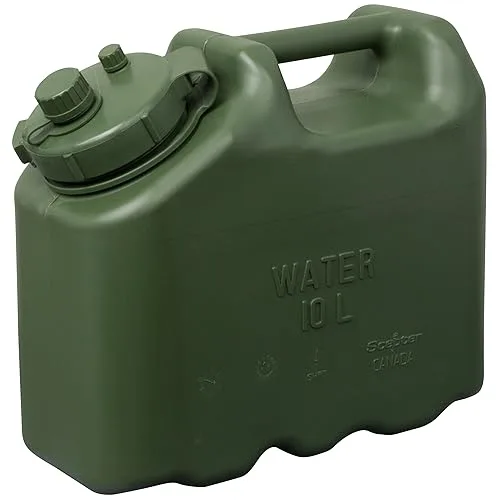
Scepter 2.5 Gallon True Military BPA Free Water Container, Food Grade Water Jug for Camping and Emergency Storage, Green
Scepter 2.5 Gallon True Military BPA Free Water Container, Food Grade Water Jug for Camping and Emergency Storage, Green
40,17 €
4.6 (949)
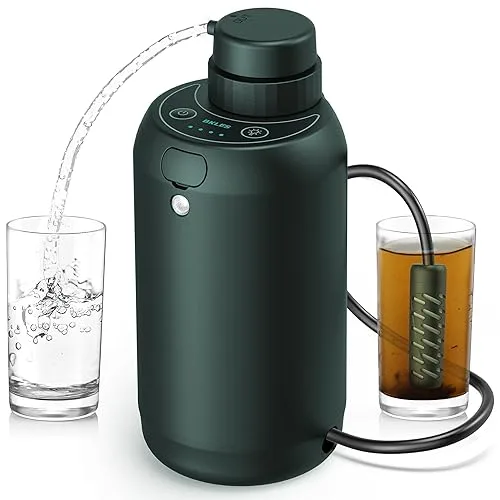
BKLES Camping Water Filter – Water Filtration System Survival with 0.01 Micron, 6-Stage Portable Water Filter, Electric
BKLES Camping Water Filter – Water Filtration System Survival with 0.01 Micron, 6-Stage Portable Water Filter, Electric Emergency Water Purifier with SOS Light for Hiking, Travel, Backpacking – Green
43,97 €
4.4 (951)
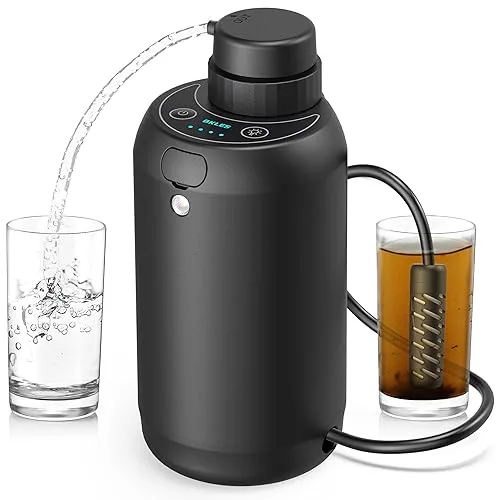
BKLES Water Filter Camping – Electric Portable Water Purifier Survival, 0.01 Micron, 6-Stage Water Filtration System Sur
BKLES Water Filter Camping – Electric Portable Water Purifier Survival, 0.01 Micron, 6-Stage Water Filtration System Survival with Emergency Lighting for Hiking, Backpacking, Travel – BK-2000
43,97 €
4.4 (951)
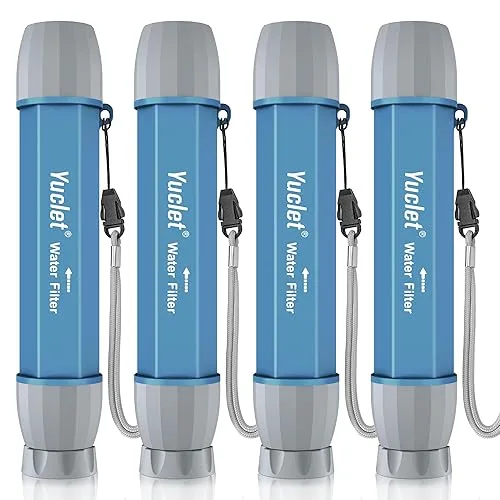
Yuclet 4 Pack Water Filter Straw, Portable Personal Water Filtration System, Water Purifier Survival, Emergency Prepared
Yuclet 4 Pack Water Filter Straw, Portable Personal Water Filtration System, Water Purifier Survival, Emergency Preparedness for Camping Hiking Drinking Travel Hunting and Family Outing
44,99 €
4.7 (889)
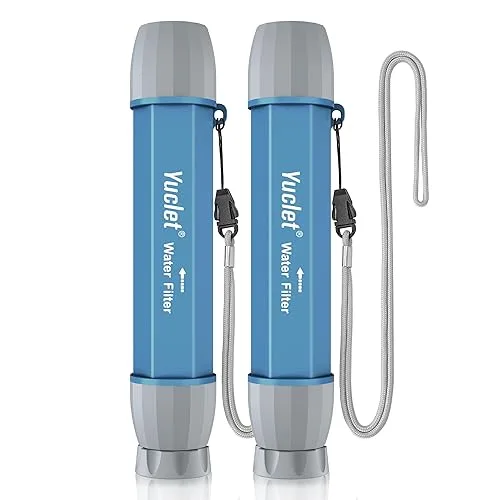
2 Pack Water Filter Straw for Drinking Survival, Personal Straws for Purifying Water, Water Purification Straw Water Pur
2 Pack Water Filter Straw for Drinking Survival, Personal Straws for Purifying Water, Water Purification Straw Water Purifier Survival Gear and Supplies for Hiking, Camping, Travel, and Emergency
25,99 €
4.7 (889)
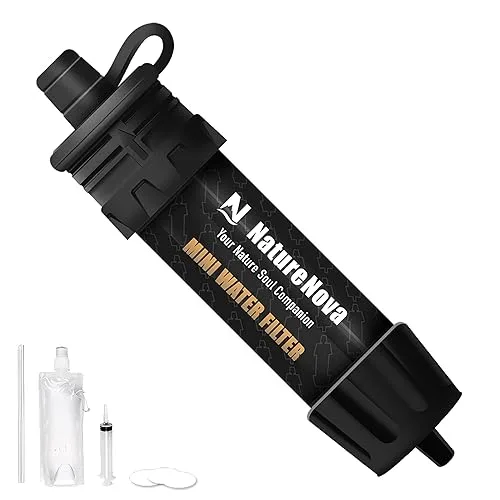
Mini Water Filter NatureNova Portable Emergency Water Filtration System Hiking Camping Straw Survival Gear Emergency Pre
Mini Water Filter NatureNova Portable Emergency Water Filtration System Hiking Camping Straw Survival Gear Emergency Preparedness
16,99 €
4.6 (863)
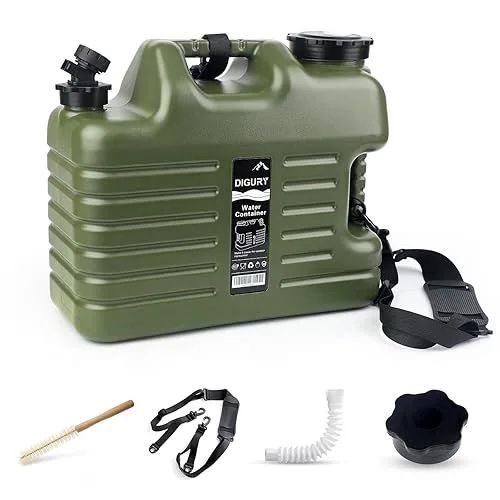
Digury 5 Gallon Water Jug, Camping Water Container BPA Free Water Storage with Spigot No Leakage Portable Emergency Wate
Digury 5 Gallon Water Jug, Camping Water Container BPA Free Water Storage with Spigot No Leakage Portable Emergency Water Tank for Outdoor Hiking Camping Picnic Supplies Green
39,99 €
4.6 (710)
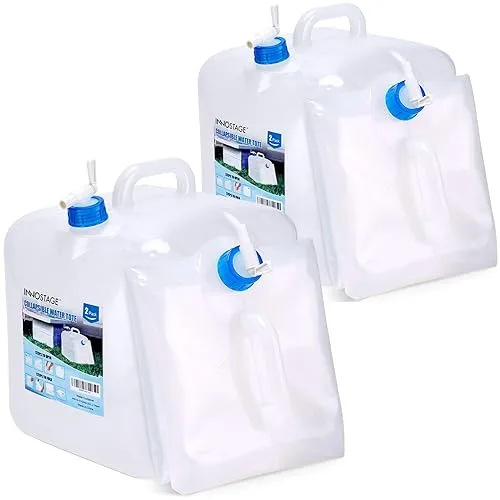
2 PACK Collapsible Water Container 5.3 Gallon with Spigot, Camping Water Storage Carrier Jug for Outdoors Hiking, Foldab
2 PACK Collapsible Water Container 5.3 Gallon with Spigot, Camping Water Storage Carrier Jug for Outdoors Hiking, Foldable Portable Water Canteen
21,89 €
4.4 (732)
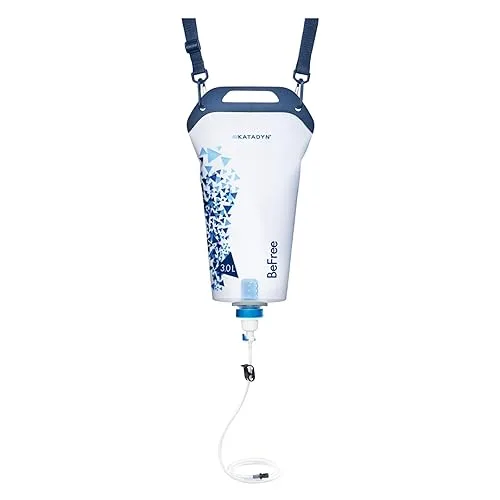
Katadyn Gravity BeFree 3.0L Water Filter, Fast Flow, 0.1 Micron EZ Clean Membrane Personal Small Group Camping, Backpack
Katadyn Gravity BeFree 3.0L Water Filter, Fast Flow, 0.1 Micron EZ Clean Membrane Personal Small Group Camping, Backpacking Emergency Preparedness, Clear, 8020470
79,95 €
4.5 (687)
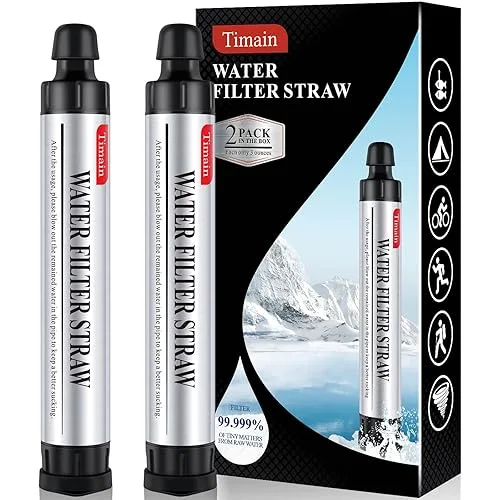
2 Pack Timain 4-Stage Filtration,High Flow Rate Water Filter Straw,Water Purifier Survival for Emergency Kits,Travel,Cam
2 Pack Timain 4-Stage Filtration,High Flow Rate Water Filter Straw,Water Purifier Survival for Emergency Kits,Travel,Camping, Hiking,Fishing,Hunting (2)
20,98 €
4.7 (649)
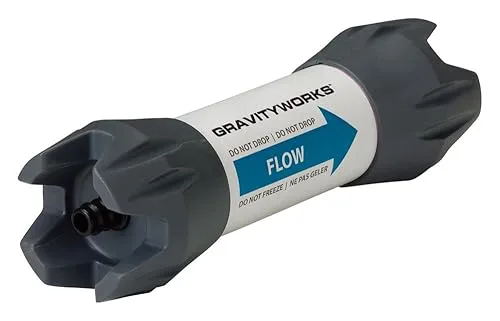
Platypus GravityWorks Replacement Filter Cartridge
Platypus GravityWorks Replacement Filter Cartridge
78,49 €
4.6 (641)
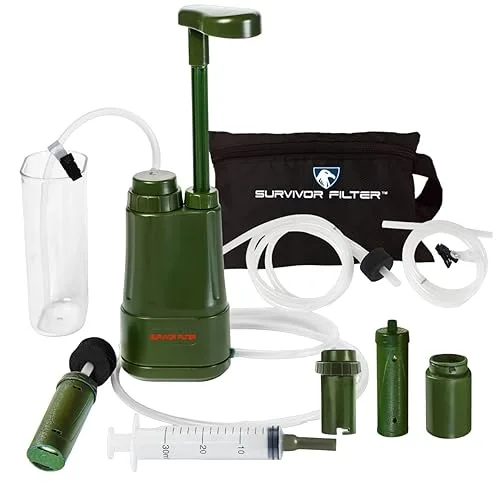
Survivor Filter PRO Extender Series – Portable Water Filter Pump with Extra Replacement Filters – Tested in USA Labs – B
Survivor Filter PRO Extender Series – Portable Water Filter Pump with Extra Replacement Filters – Tested in USA Labs – Bacteria, Parasite and Virus Removal – Ultimate Survival & Backpacking Gear
99,95 €
4.6 (634)
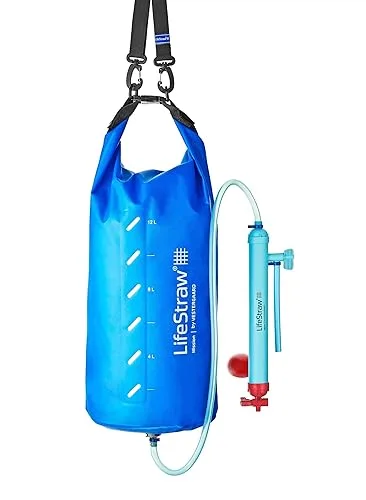
LifeStraw Mission High-Volume Gravity-Fed Water Purifier, 12 L (LSM12)
LifeStraw Mission High-Volume Gravity-Fed Water Purifier, 12 L (LSM12)
99,95 €
4.6 (574)
The links above are affiliate links. If you purchase through them, we earn a small commission at no extra cost to you. We only recommend products we use or have reviewed ourselves. Learn more →
Remember that no product replaces planning. Knowing how much water your family needs, where to store it, and how to purify it once the bottled supply runs out are decisions you make before the emergency, not during it. If you have not worked out your exact figures yet, the free EmergencyKitLab planner gives you the numbers in under five minutes.
Editorial verdict
If you do only one thing, choose a water and hydration option you already know how to use and keep it easy to reach. The most expensive setup is not automatically the right one. Use the EmergencyKitLab UK planner to size the rest of your household setup correctly.
Our planner calculates exactly what you need based on your situation, headcount, and scenario.
Build your personalized planHow to choose water and hydration: what actually matters
Emergency gear should be judged by reliability under stress, not by feature count. If it fails when power is out, hands are cold, or you are tired, the spec sheet does not matter.
Start from your real scenario: sheltering at home, evacuating quickly, covering one person, or covering a whole household. Duration, storage space, and redundancy needs change the right choice completely.
Prioritize gear you can operate without rereading instructions. Simpler setups usually beat more complex ones in real household emergencies.
EmergencyKitLab UK filters for practical usefulness, stable availability, and review history. That does not make every pick perfect, but it does remove a lot of low-signal catalog noise.
Common mistakes when buying water and hydration
Most purchasing mistakes are predictable. Catching them early saves money and makes the kit more usable when things go wrong.
Buying before defining the scenario
A home blackout setup, a car kit, and a go-bag solve different problems. If you skip that distinction, you usually overspend and still miss key gaps.
Assuming more gear means better preparedness
Extra items add weight, clutter, and maintenance. A smaller setup you understand is usually stronger than a larger one you never test.
Ignoring household-specific needs
Children, older adults, medications, pets, and limited storage all change what makes sense. Generic shopping lists miss those details.
Forgetting rotation and maintenance
Batteries discharge, consumables expire, and products drift to the back of a closet. If you never review the setup, it will quietly degrade.
How to maintain and rotate water and hydration
Preparedness gear is not a one-time purchase. It needs periodic review so it still works when you actually depend on it.
Tie the review to a memorable date such as the start of storm season, New Year, or a daylight-saving change. Check consumables, test powered items, and replace anything expired or damaged.
Use simple rotation rules for food, hygiene items, and medical supplies. The oldest items should be the first ones out.
The EmergencyKitLab UK planner is useful here too: it gives you a stable reference for how much to restock after each review cycle.